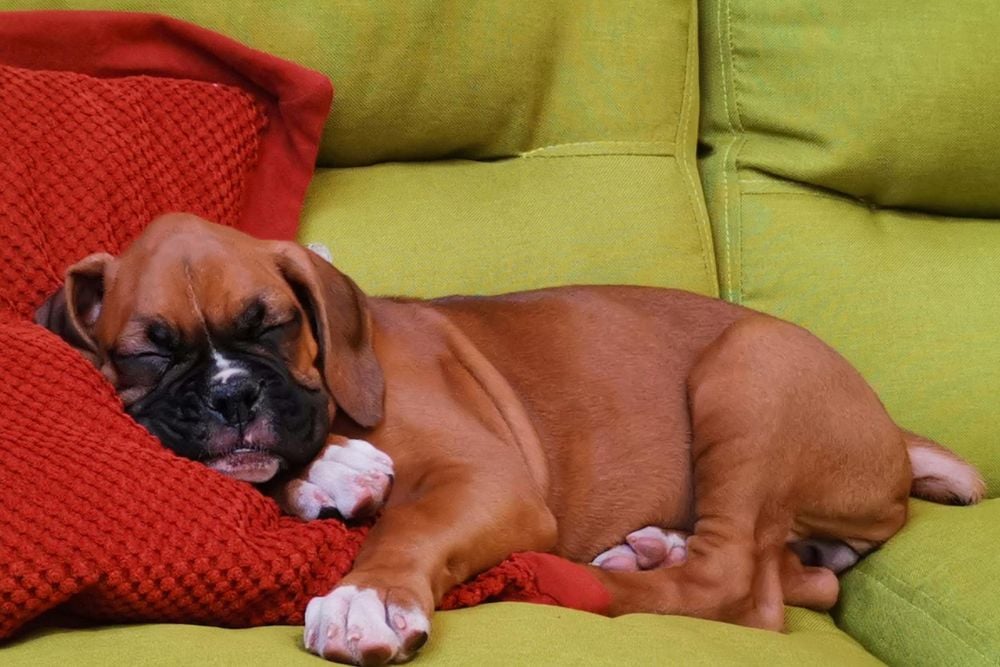
So you’ve decided to get a dog. Congratulations — you’re about to gain a shadow who follows you to the bathroom, steals your socks, and somehow makes every bad day better. But here’s the thing: not every breed is a great fit for a beginner. Some dogs need experienced handlers. Others practically train themselves.
The right first dog won’t just survive your rookie mistakes — it’ll forgive them. You want a breed that’s patient when you fumble commands, friendly when your neighbor’s kid runs up uninvited, and adaptable enough to fit your actual daily life, not some imagined version of it.
With the American Kennel Club recognizing over 200 breeds, the options can feel overwhelming. This guide cuts through the noise. Here are ten breeds that consistently make life easier for new dog owners, plus practical advice on how to choose the one that’s right for you.
What Makes a Breed Good for Beginners?
Before jumping into the list, it helps to know what separates a beginner-friendly breed from one that’ll have you Googling “dog behaviorist near me” at 2 a.m.
First-time owners should look for dogs that are eager to please, forgiving of inconsistent training, naturally sociable, and moderate in their grooming or exercise demands. That doesn’t mean low-energy couch potatoes (though some on this list are). It means breeds where the learning curve is gentler — for both of you.
Temperament matters more than size. A calm 70-pound Lab can be far easier to manage than a wired 15-pound terrier who’s decided your couch cushions are mortal enemies.
The 10 Best Dog Breeds for First-Time Dog Owners
1. Labrador Retriever
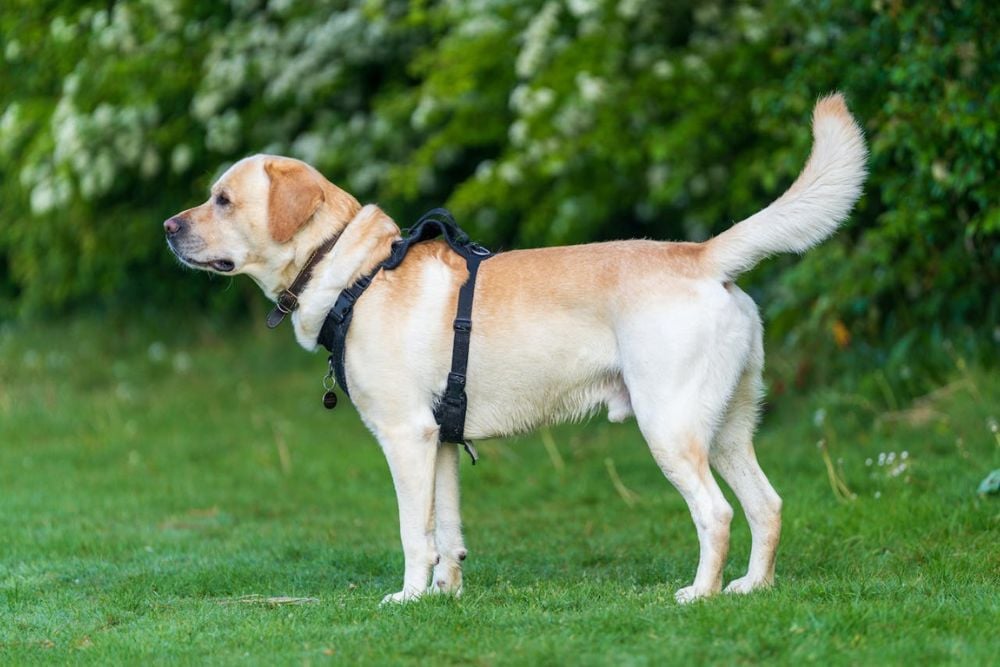
There’s a reason Labs have topped popularity charts for over three decades. They’re friendly, trainable, and genuinely happy to be around people. Labs respond well to positive reinforcement and pick up basic commands quickly, even when your timing is off.
They do need daily exercise — at least an hour of walking, swimming, or fetch. Skip that, and you’ll find chew marks on your furniture. But if you’re even moderately active, a Lab will slot right into your routine. They weigh between 55 and 80 pounds, shed heavily, and live around 10 to 12 years. Be ready for dog hair on everything you own.
2. Golden Retriever
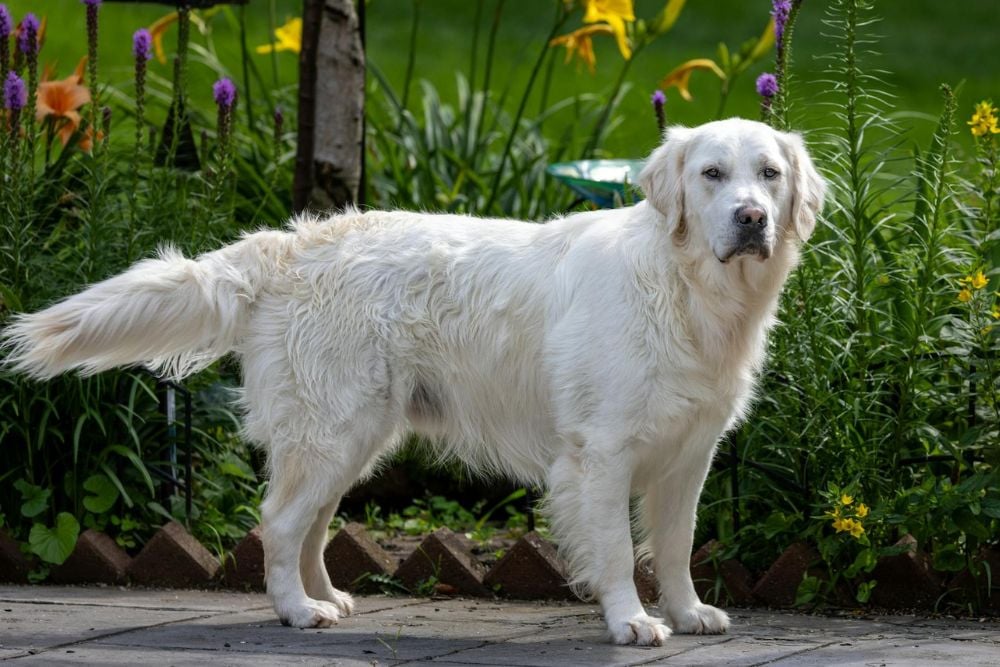
Goldens are often called the gold standard for first-time owners, and that reputation is well earned. According to the American Temperament Test Society, Golden Retrievers pass temperament evaluations at an 85.6% rate, reflecting their reliably steady and gentle nature.
They’re intuitive dogs who read emotions well and rarely show aggression. Training them is more like a partnership than a chore. The catch? They shed — a lot. And they need mental stimulation alongside physical exercise.
A bored Golden won’t sit quietly; it’ll find creative ways to redecorate your home. Still, as long as you’re willing to brush, walk, and play, a Golden is about as forgiving a first dog as you’ll find.
3. Cavalier King Charles Spaniel
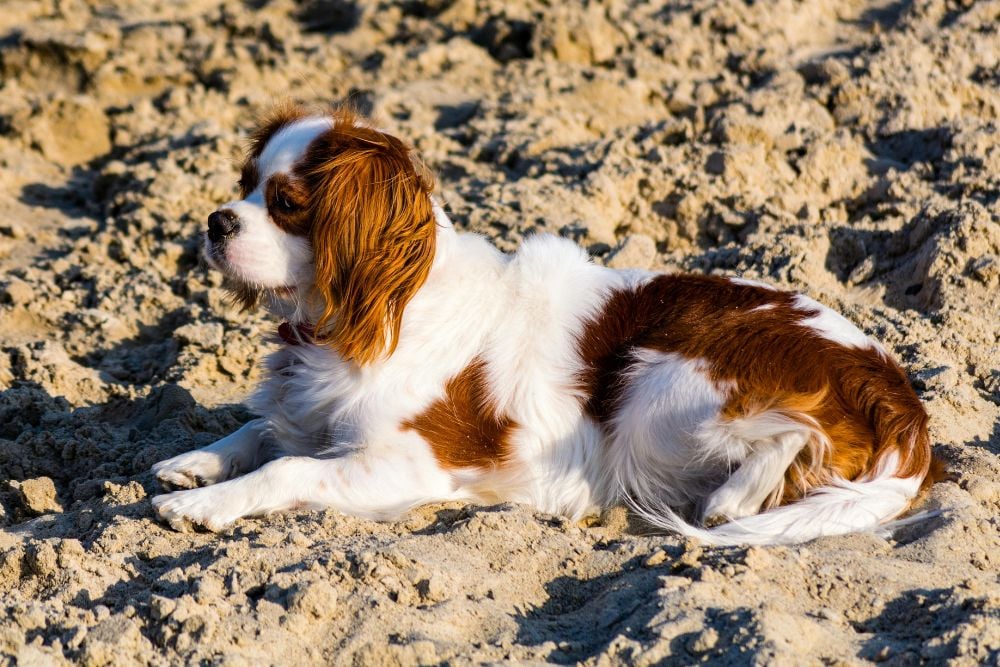
If you live in a smaller space or want a dog that’s content with a moderate walk and a spot on your lap, the Cavalier is worth serious consideration. These are affectionate, gentle dogs that bond deeply with their owners. They’re sometimes called “velcro dogs” because they simply don’t want to be anywhere you aren’t.
Cavaliers are easy to train thanks to their people-pleasing nature and do well with children and other pets. One thing to watch: they’re prone to heart conditions, particularly mitral valve disease. Choose a reputable breeder who tests for these issues, or consider a breed-specific rescue. Weighing in at 13 to 18 pounds, they’re a great option for apartment dwellers.
4. Poodle (Standard, Miniature, or Toy)
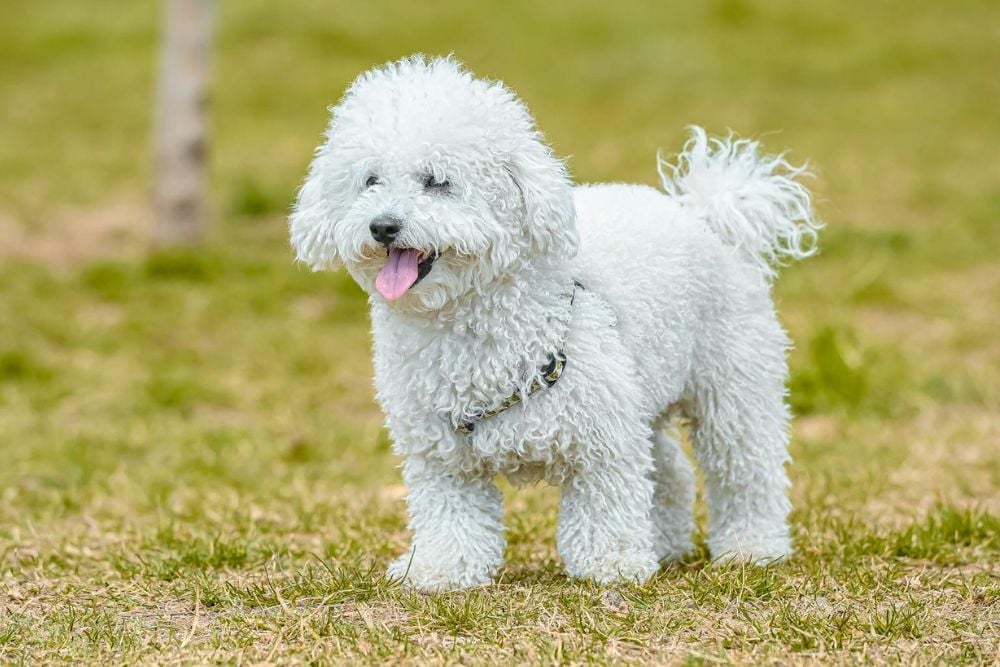
Don’t let the fancy haircuts fool you — Poodles are among the most intelligent dog breeds in the world. That intelligence makes them remarkably easy to train. They pick up commands fast, respond well to structure, and thrive on learning new things.
What sets Poodles apart for beginners is the flexibility they offer. Standard Poodles stand over 15 inches tall and suit active households, while Miniature and Toy varieties are better for smaller homes. All three shed very little, making them a popular choice for people with allergies. They do need regular grooming, though — that low-shedding coat grows continuously and mats easily without maintenance.
5. Beagle
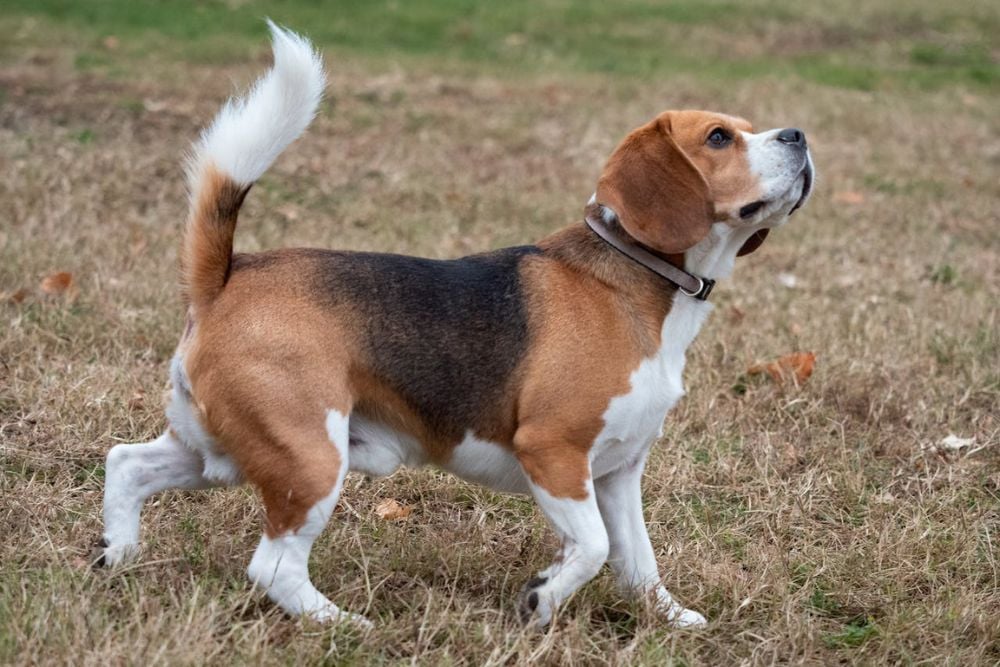
Beagles are sturdy, happy, and just the right size for most living situations at 20 to 30 pounds. They were bred as pack dogs, so they’re naturally social and get along well with other animals and children.
Here’s the honest truth, though: Beagles follow their noses. Training recall can be a challenge because the second they catch an interesting scent, your voice becomes background noise. Use treats consistently, start training early, and invest in a secure yard.
Their short coat is low-maintenance, and they’re generally healthy dogs with a lifespan of 10 to 15 years. If you want a cheerful, sturdy companion and can handle a bit of stubbornness, a Beagle is a solid pick.
6. Boxer

Boxers are big, goofy, and ridiculously loyal. They’re playful well into adulthood and form strong bonds with families, especially with kids. At 50 to 80 pounds, they’re a substantial dog, but their patience and gentle nature with children make them a favorite for growing families.
They need about an hour of active exercise daily and respond well to firm, consistent training. Boxers can be a little headstrong at first, but they want to please you — they just need to understand the rules. Their short coat makes grooming a breeze. One downside: they’re prone to certain health issues like hip dysplasia and heart conditions, so factor in veterinary costs when budgeting.
7. Bichon Frise
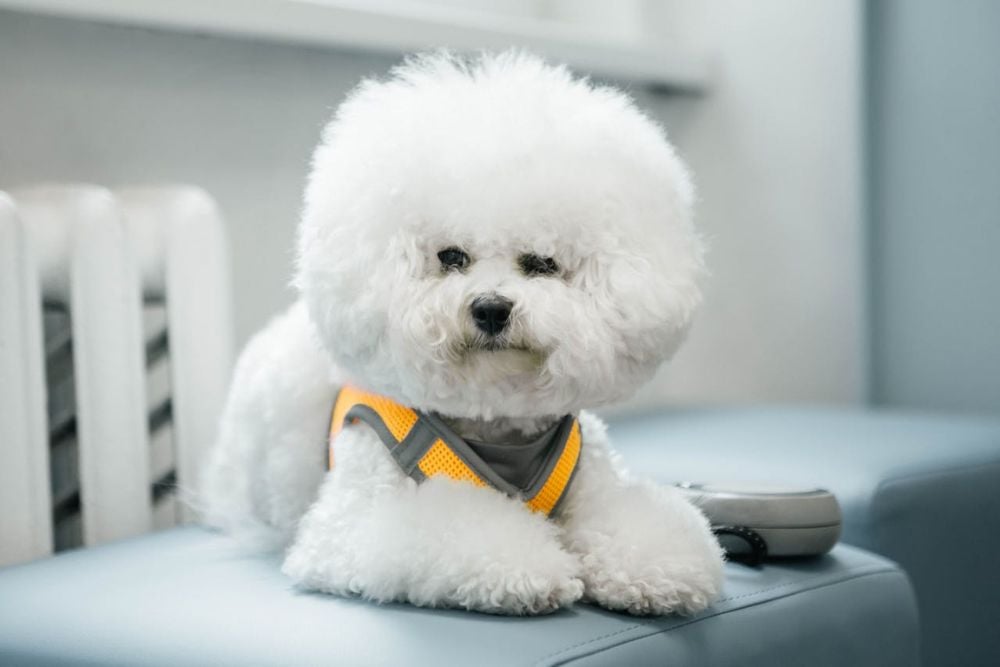
Looking for a small dog that’s cheerful, hypoallergenic, and perfectly happy in an apartment? The Bichon Frise checks every box. These fluffy little dogs are playful, affectionate, and remarkably adaptable. They don’t need massive amounts of exercise — a couple of short walks and some indoor playtime usually does the trick.
Bichons are also great for owners who want a dog that’s friendly with guests and strangers alike. They’re not big barkers and generally get along with everyone. The trade-off is grooming. That cotton-ball coat needs professional grooming every four to six weeks and regular brushing in between to prevent mats.
8. Papillon
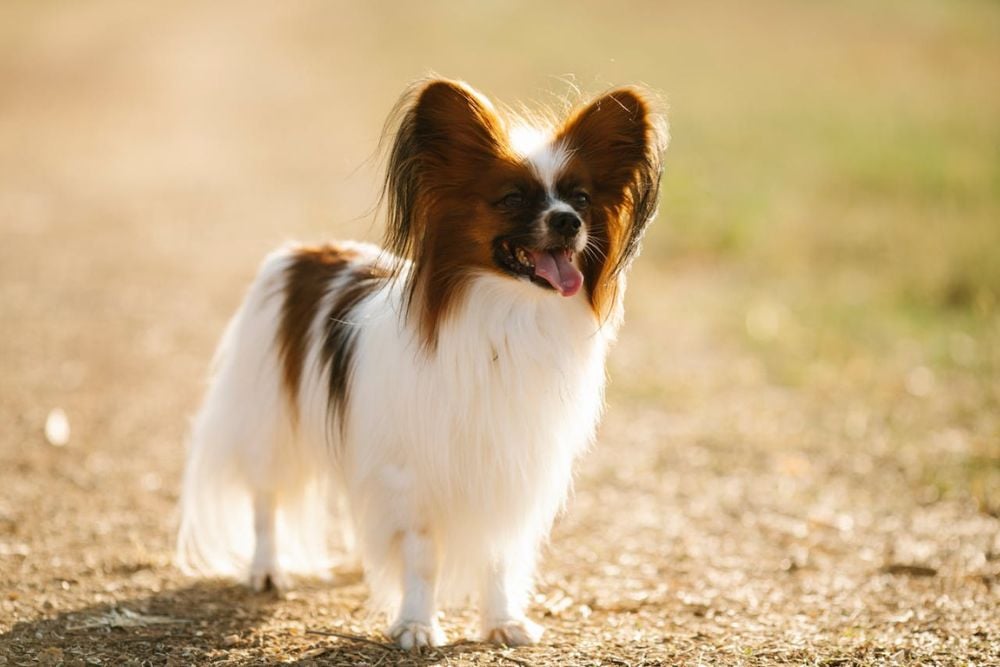
The Papillon is arguably the best small breed for beginners who want a dog with a bit more spark. Don’t be fooled by their delicate appearance — Papillons are surprisingly athletic, quick to learn, and excel at obedience and agility. Weighing just 5 to 10 pounds, they’re ideal for smaller homes.
They’re friendly, easy to train, and low on grooming needs despite their long, silky coat. Papillons want to be involved in whatever you’re doing, whether that’s a walk around the block or working from home. Their energy is manageable, and their intelligence keeps training sessions fun rather than frustrating.
9. Shih Tzu
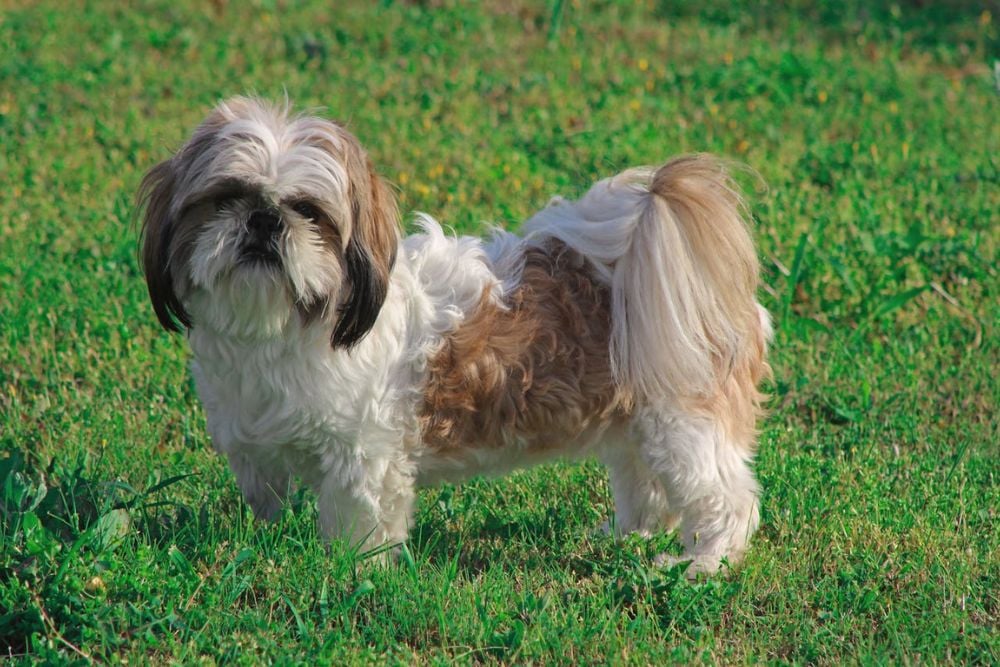
The Shih Tzu was bred as a companion dog, and it shows. These are calm, affectionate dogs that thrive on human connection without demanding miles of daily walking. They’re a great match for first-time owners who want a low-energy dog that’s content with short walks and plenty of cuddle time.
Shih Tzus weigh 9 to 16 pounds, are friendly with kids and other pets, and adapt well to apartment living. They can be a bit stubborn during training, but patience and positive reinforcement go a long way. Like the Bichon, their coat needs regular grooming — many owners opt for a shorter “puppy cut” to keep maintenance manageable.
10. Mixed Breeds and Shelter Dogs
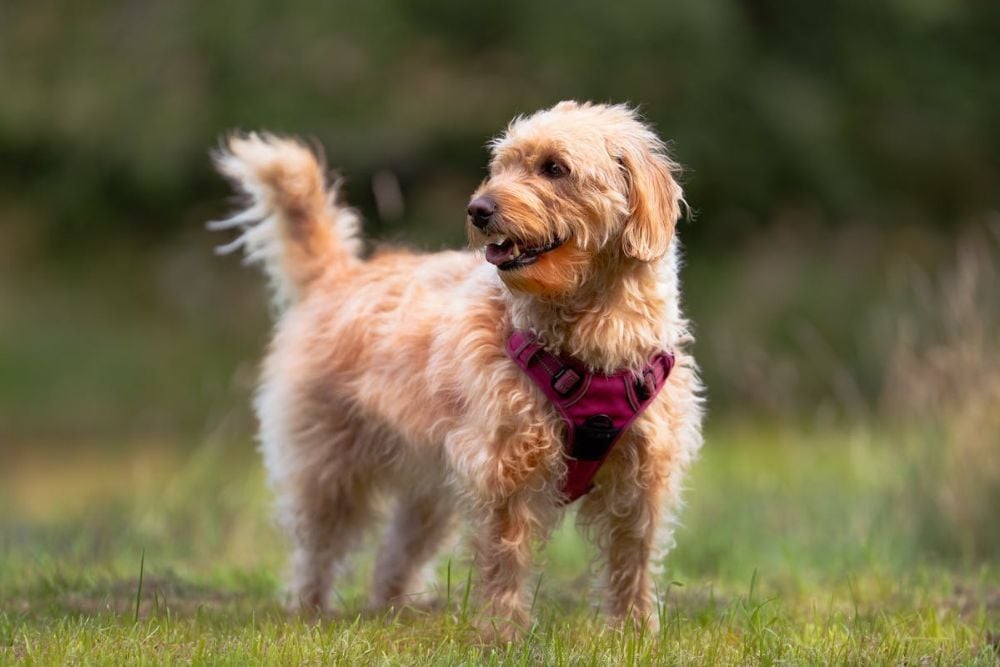
Here’s something many breed guides won’t tell you: some of the best first dogs aren’t purebreds at all. Mixed-breed dogs from shelters often combine the best traits of multiple breeds and, according to the ASPCA, frequently have fewer genetic health issues than purebreds.
Shelter staff can match you with a dog whose temperament, energy level, and size fit your lifestyle. Adult shelter dogs are often already house-trained and past the destructive puppy phase, which is a real advantage for a first-time owner. And adoption fees are a fraction of breeder prices — typically between $30 and $455 — often including vaccinations and spay/neuter surgery.
How to Choose the Right Breed for Your Lifestyle
Picking a breed isn’t about finding the “best” dog. It’s about finding the best dog for you. Here are a few questions worth sitting with honestly before you commit:
How active are you, really? If your weekends involve hiking and running, a Lab or Boxer will keep up. If your idea of exercise is a walk to the coffee shop, a Cavalier or Shih Tzu is a better match.
How much space do you have? Large breeds can thrive in apartments with enough daily exercise, but smaller breeds often adapt more naturally to limited square footage.
What’s your budget? According to Rover’s 2025 True Cost of Pet Parenthood Report, annual dog ownership costs range from $1,390 to $5,295 — and that’s before any emergencies. Larger breeds eat more, and some breeds are prone to expensive health conditions.
How much time can you dedicate to grooming? Poodles and Bichons need regular professional grooming. Labs and Beagles just need a brush and a bath now and then. Be honest about how much time you’ll actually spend on coat maintenance.
Are there children or other pets at home? Breeds like Golden Retrievers, Cavaliers, and Beagles have strong track records with kids and multi-pet households. Always supervise early interactions regardless of breed.
Tips for First-Time Dog Owners
Getting the breed right is only half the battle. Here’s what actually sets you up for success:
Start training from day one. Enroll in a puppy class or basic obedience group. As the Association of Professional Dog Trainers emphasizes, classes teach you how to communicate with your dog — they’re not just for the pup.
Puppy-proof your home before your dog arrives. Pick up shoes, secure trash cans, and block off rooms you don’t want explored. Prevention is far easier than correction.
Build a relationship with a good veterinarian. Schedule a wellness check within the first week and keep up with vaccinations, flea and tick prevention, and dental care.
Budget for the unexpected. An emergency vet visit can cost hundreds or even thousands. Pet insurance or a dedicated savings fund takes the financial sting out of surprises.
Be patient with yourself. Every new dog owner makes mistakes — inconsistent commands, accidentally rewarding bad behavior, underestimating how much puppies chew. The breeds on this list are forgiving precisely because they understand you’re learning too.
Finding Your Perfect Match
There’s no single best breed for everyone. A Golden Retriever might be perfect for a family with a backyard and active kids, while a Bichon Frise could be the ideal companion for someone in a studio apartment. What matters most is matching a dog’s needs with your real, everyday life — not the life you wish you had.
Do your research, visit breeders or shelters, meet dogs in person, and take your time. The right dog is out there. And when you find it, you’ll wonder how you ever lived without one.