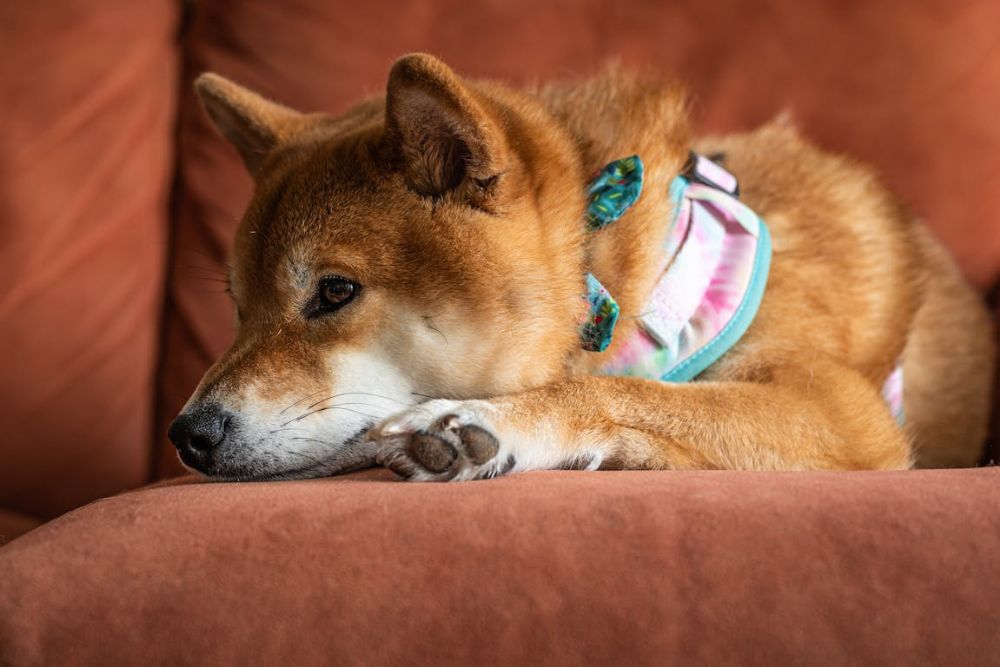
You’re cuddling on the couch with your dog, face buried in their fur, when it hits you — a warm, unmistakable scent of corn chips. You look around. Nobody opened a bag of Fritos. Then you realize: it’s coming from your dog’s paws.
If you’ve ever wondered why your dog’s feet smell like Fritos, you’re not alone. This quirky phenomenon even has a name: Frito feet. And while it sounds like an internet joke, there’s real science behind it.
The good news? In most cases, it’s completely harmless. But there are a few situations where that corn chip smell could signal something worth paying attention to.
Let’s break down exactly what’s going on between those toe beans.
The Bacteria Behind the Corn Chip Smell
Here’s the short answer: your dog’s paws are home to naturally occurring bacteria, and some of those bacteria happen to produce odors that smell remarkably like corn chips.
Two types of bacteria are the main culprits — Pseudomonas and Proteus. Both are commonly found in soil, water, and on surfaces your dog walks across every single day. Since dogs don’t wear shoes, their bare paw pads pick up these microorganisms constantly.
According to Dr. Jerry Klein, Chief Veterinarian at the American Kennel Club, when these bacteria colonize a dog’s paws, they give off a yeasty odor that we humans perceive as a corn chip or Fritos-like scent.
But bacteria aren’t the only players. A yeast called Malassezia also lives on your dog’s skin and can contribute a musty, slightly sweet note to the mix. When you combine bacteria, yeast, and the unique environment of a dog’s paw, you get that signature snack-food aroma.
Why Paws Specifically? It’s All About Sweat
So why the feet and not, say, the belly or back? It comes down to anatomy.
Dogs don’t sweat the way we do. While humans have sweat glands spread across most of our bodies, dogs have a type called merocrine (eccrine) sweat glands located almost exclusively in their paw pads and on their noses. These glands release moisture — especially when a dog is hot, stressed, or has been active.
That moisture matters a lot. The spaces between a dog’s toes are warm, dark, and slightly damp. It’s essentially a microbiome paradise. Bacteria and yeast thrive in exactly these conditions, which is why the Frito feet phenomenon tends to be most noticeable after your dog has been on a walk, played outside, or woken up from a nap with their paws tucked underneath them.
Is Frito Feet Normal? (Yes, Almost Always)
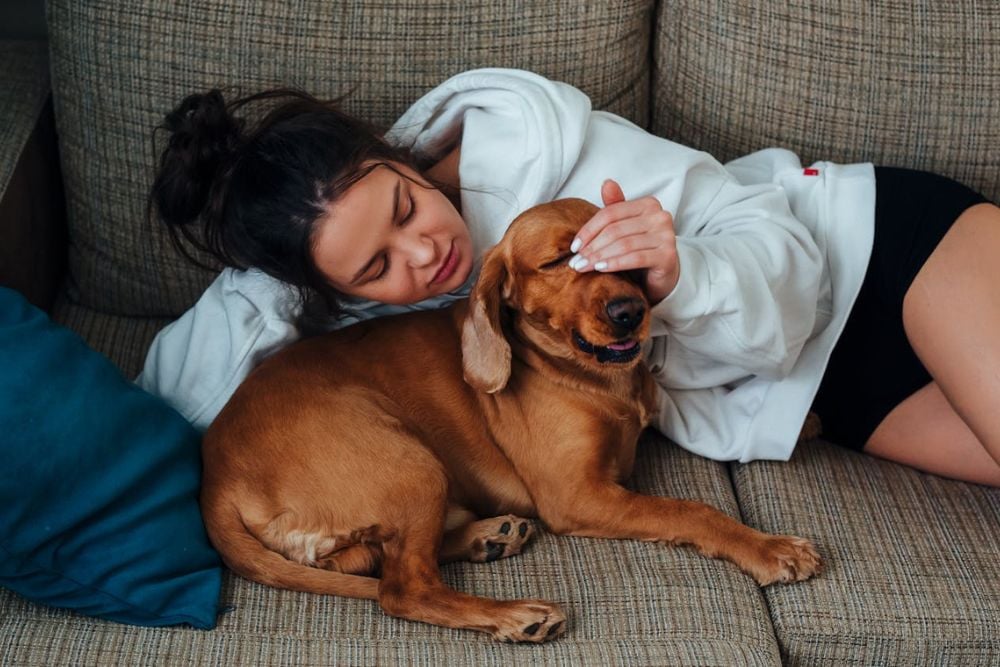
If you’ve been nervously sniffing your dog’s paws and Googling “dog paw infection,” take a breath. A mild corn chip scent is perfectly normal.
Dr. Brian Collins, a veterinarian at the Cornell University Riney Canine Health Center, has described Frito feet as simply a natural byproduct of the bacteria, yeast, and sweat that live on every healthy dog’s skin. He’s even been quoted encouraging dog owners to enjoy it — as long as the paw looks healthy, there’s nothing wrong with getting your nose in there.
Dr. Amy Attas, a veterinarian in New York City, puts it even more directly: the Fritos smell is completely normal and doesn’t mean your dog has an infection. Every dog carries some level of bacteria and fungi on their skin at all times, and that’s exactly how it should be.
The key word here is mild. A faint whiff of corn chips when you’re up close? Totally fine. But a smell that knocks you back from across the room? That’s different — and we’ll get to that.
When Should You Actually Worry?
While Frito feet are usually harmless, there are some red flags that suggest the bacterial or yeast balance on your dog’s paws has tipped into problem territory.
Watch for these warning signs:
- Redness or swelling between the toes or on the paw pads
- Excessive licking or chewing at the feet
- Hair loss around the paw area
- Discharge or crustiness on or between the pads
- A dramatically stronger or foul odor — particularly one that shifts from “corn chips” to something closer to moldy cheese
- Limping or signs of pain when walking
If your dog is showing any of these symptoms alongside the smell, it’s time to call your vet. An overgrowth of bacteria or yeast can lead to a condition called pododermatitis — essentially an infection or inflammation of the paw. Left untreated, it can become painful and harder to resolve.
Dr. Dwight Alleyne, DVM, notes that signs of unhealthy feet include bumps, redness, swelling, or behavioral changes like limping. If the smell has changed noticeably from your dog’s baseline, that’s worth investigating.
What Makes the Smell Worse?
Several everyday factors can amplify your dog’s natural Frito feet scent. Understanding them can help you manage the odor if it starts getting a bit too intense.
Moisture is the biggest one. Dogs who swim regularly, walk in rain, or have sweaty paws from heat or anxiety tend to have more pronounced corn chip smells. When moisture lingers between the toes without drying, it creates a breeding ground for extra microbial growth.
Long fur between the toes is another contributor. Breeds with feathery paws — think Retrievers, Spaniels, or Collies — can trap dirt, moisture, and debris in that fur, which feeds the bacteria and intensifies the odor.
Diet can play a role too. Dogs with food sensitivities or nutritional deficiencies may produce more skin oil or experience yeast overgrowth, both of which can make the smell stronger. A balanced diet rich in omega-3 fatty acids supports healthy skin and may help keep odors in check.
And then there’s licking. Dogs who habitually lick their paws aren’t actually cleaning them — they’re adding saliva (and more bacteria) to an already moist environment, which can make things worse and even lead to irritation or infection over time.
How to Manage Frito Feet (Without Overdoing It)
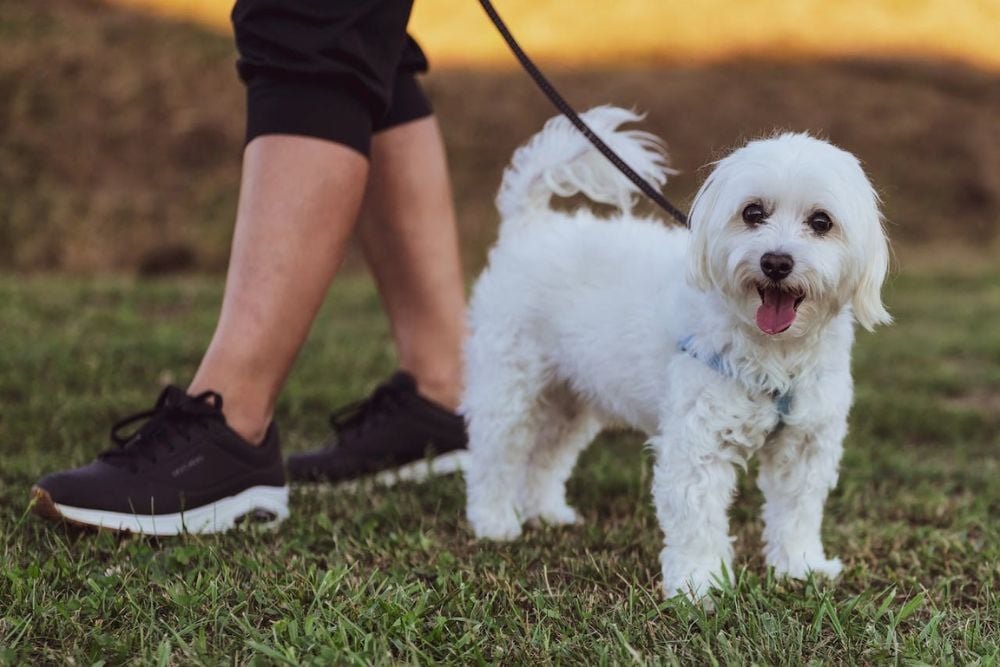
Here’s an important nuance that many dog owners miss: you don’t want to eliminate the bacteria on your dog’s paws. You just want to keep things balanced.
Dr. Edginton of the Cornell Veterinary Center warns that disrupting the natural microbiome of a dog’s skin — by scrubbing with harsh products or applying things that change the skin’s pH — can actually create problems where none existed before. The goal isn’t sterilization. It’s maintenance.
Here’s what vets generally recommend:
Wipe paws after walks. Use alcohol-free, unscented wipes — or even plain unscented baby wipes — to remove dirt and debris without stripping away beneficial bacteria. Dr. Attas recommends this approach specifically because it cleans without disrupting the skin’s natural balance.
Dry paws thoroughly. After baths, rain walks, or swimming, towel-dry between the toes. Trapped moisture is the single biggest amplifier of Frito feet.
Trim the fur between the pads. Keeping that hair short improves airflow and reduces moisture and debris buildup. You can do this yourself with pet-safe clippers or ask your groomer.
Keep nails trimmed. Overgrown nails can alter how your dog walks and put extra pressure on the paw pads, potentially trapping more dirt.
Feed a quality diet. Good nutrition supports skin health from the inside out. If you suspect food allergies, talk to your vet about an elimination diet.
Don’t over-bathe. Most dogs shouldn’t be bathed more than once a month unless they get visibly dirty. Over-bathing strips natural oils and can throw off the skin’s microbial balance. The ASPCA’s grooming guidelines are a solid reference point.
Can You Get Rid of Frito Feet Completely?
Honestly? Probably not — and that’s okay.
Some level of bacterial activity on your dog’s paws is normal and healthy. You wouldn’t want a completely sterile paw any more than you’d want a completely sterile gut. The microbiome exists for a reason, and the mild corn chip odor is just a side effect of a functioning system.
That said, consistent hygiene habits can definitely reduce the intensity. Most dog owners find that regular paw wipes and keeping the fur trimmed make a noticeable difference.
And if you’re one of those people who secretly kind of likes the smell? You’re not alone there, either. Plenty of dog owners have admitted to finding Frito feet oddly comforting — a warm, familiar part of life with their favorite four-legged companion.
The Bottom Line on Frito Feet
Your dog’s feet smell like Fritos because of completely natural bacteria — mainly Pseudomonas and Proteus — combined with yeast and moisture from their paw pad sweat glands. It’s one of the most common (and most Googled) quirks of dog ownership, and in the vast majority of cases, it’s nothing to worry about.
Keep an eye on your dog’s paws for signs of infection like redness, swelling, or behavioral changes. Maintain basic paw hygiene without going overboard. And if the smell shifts from “mild corn chips” to something genuinely foul, don’t hesitate to check in with your veterinarian.
Otherwise? Go ahead and embrace the Frito feet. They’re just one more reason dogs are endlessly, wonderfully weird.