Here’s a number that should stop you mid-scroll: 96% of dogs surrendered to U.S. shelters had never received a single obedience class. Not one.
And behavioral issues? They’re the number one animal-related reason owners give up their dogs — accounting for 28% of all surrenders. We’re talking aggression, destructive chewing, relentless barking, and house soiling. The kind of stuff that makes a frustrated owner think, “Maybe I’m just not cut out for this.”
But here’s the thing — most of the time, the owner isn’t the problem. The match is.
Dog ownership in the U.S. is booming. According to the American Pet Products Association’s 2026 State of the Industry Report, roughly 71 million American households now own at least one dog. Millennials and Gen Z are leading that growth, and many of them are picking out their very first pup. That’s exciting. It’s also where things can go sideways.
Because some breeds — despite being stunning, loyal, and deeply lovable — are a terrible fit for someone who’s never raised a dog before. Not because there’s anything wrong with the breed. But because their needs are so specific, so intense, that an unprepared owner ends up overwhelmed, broke, or standing in a shelter lobby with tears in their eyes and a leash in their hand.
This list isn’t here to bash any breed. Every single dog below is somebody’s best friend. The goal is simple: help you avoid a heartbreaking mismatch so your first experience with dog ownership is the start of something great — not a cautionary tale.
We based our picks on exercise requirements, trainability, grooming demands, health costs, and temperament complexity.
Let’s get into it.
At a Glance: How These 12 Breeds Compare
Before we dive into the details, here’s a quick-reference table. If you’re short on time, this tells you what you need to know.
1. Siberian Husky — Beautiful, Brilliant, and Planning Their Escape Right Now
Weight: 35–60 lbs | AKC Group: Working | Life Expectancy: 12–14 years | Energy: ★★★★★
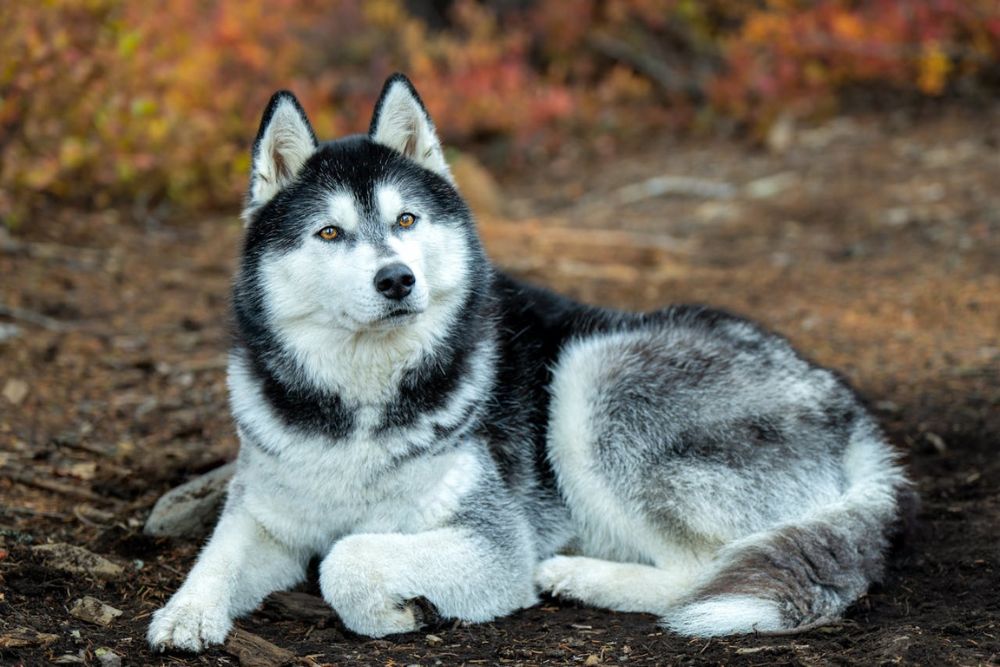
You’ve seen them on Instagram. Those icy blue eyes. That wolf-like stance. The dramatic howling that’s racked up millions of views. What those videos don’t show you is the hole in the backyard fence, the shredded couch cushions, and the owner sprinting down the street at 7 a.m. in pajamas because the Husky figured out the gate latch. Again.
Siberian Huskies were bred to pull sleds across frozen tundra for staggering distances. We’re talking dogs that can run up to 100 miles in a single day. That kind of endurance doesn’t just disappear because you live in a two-bedroom apartment in Phoenix. It has to go somewhere — and if you’re not providing an outlet, your furniture becomes the outlet.
They’re notorious escape artists with almost zero recall. Call a Husky at the dog park and you’ll get a look that says, “I heard you. I just don’t care.” They also have a high prey drive, which means cats, rabbits, and small dogs are potential targets. Add in a thick double coat that sheds like a snowstorm twice a year, and you’ve got a breed that demands serious commitment.
- What people get wrong: “They’re medium-sized, so they’ll do fine in my apartment.” Size isn’t the issue — energy output is. An under-exercised Husky will redecorate your living room whether it’s 500 or 5,000 square feet.
- Who they’re right for: Experienced, active owners in cooler climates with a securely fenced yard, no small pets, and a genuine love of daily high-intensity exercise.
2. Belgian Malinois — A Military-Grade Dog in a Civilian’s Living Room
Weight: 40–80 lbs | AKC Group: Herding | Life Expectancy: 14–16 years | Energy: ★★★★★
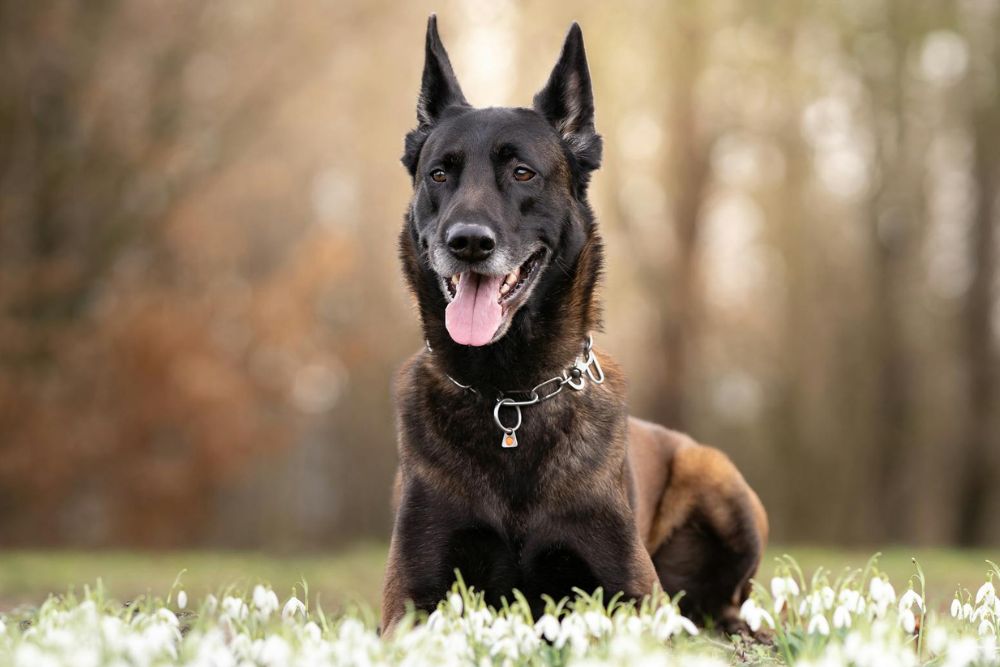
There’s a reason the Belgian Malinois is the breed of choice for Navy SEALs, Secret Service details, and police K-9 units worldwide. They’re breathtakingly athletic, laser-focused, and driven in a way that most people have never experienced in a dog.
And that’s precisely why they’re one of the worst dog breeds for first-time owners.
A Malinois doesn’t want a walk around the block. It wants a mission. Without one, you’re looking at a dog that chews through drywall, paces obsessively, and develops anxiety-driven behaviors that can escalate fast. Veterinary consultant Dr. Paola Cuevas flags this breed as requiring extensive obedience training, stimulation, and handling knowledge.
As Hepper notes, these dogs aren’t suited for first-time owners or even pet-only homes. They need a job — herding, protection sport, search-and-rescue, competitive obedience — something that channels that intensity productively.
- What people get wrong: “They look like German Shepherds, so they’re probably similar.” They’re not. A Malinois operates at a completely different intensity level. Think of a German Shepherd as a dedicated employee and a Malinois as a special-ops recruit.
- Who they’re right for: Professional handlers, experienced working-dog owners, or people actively involved in protection sports or competitive training.
3. Akita — Fiercely Loyal, Fiercely Independent, Fiercely Not for Beginners
Weight: 70–130 lbs | AKC Group: Working | Life Expectancy: 10–14 years | Energy: ★★★☆☆
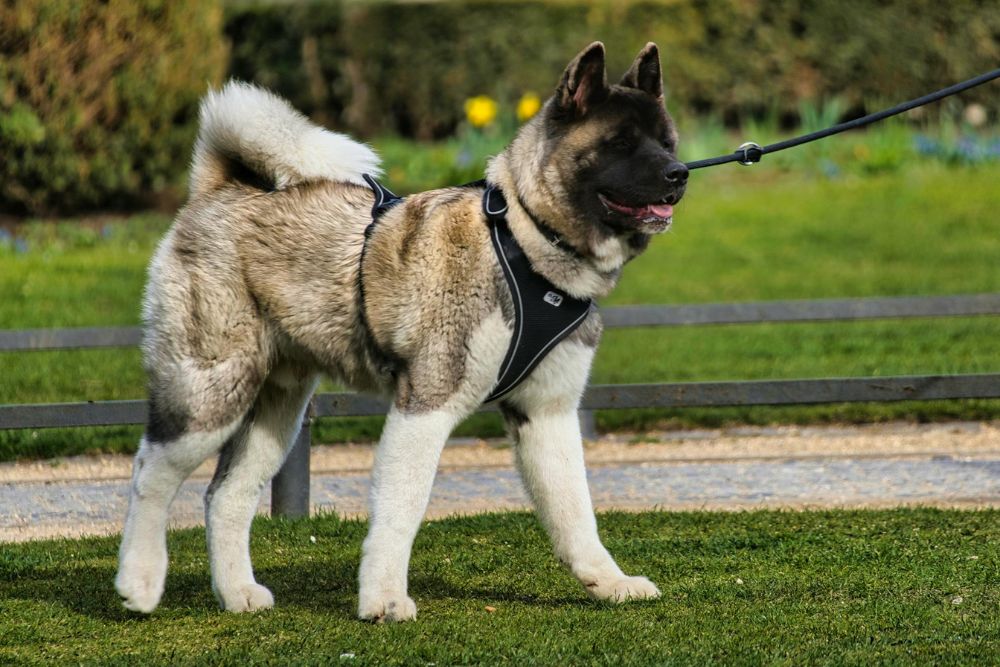
If you’ve seen the movie Hachi: A Dog’s Tale, you already know the Akita’s legendary loyalty. What the movie doesn’t prepare you for is a 130-pound dog who’s decided that the mail carrier is an intruder and your neighbor’s Labrador is an enemy combatant.
Akitas are powerful, dominant, and deeply territorial. They were originally bred to hunt big game in Japan — bears, boar, elk — and that guarding instinct runs deep. They can be calm and affectionate one moment and reactive the next, particularly around strangers or unfamiliar dogs.
Training an Akita requires confidence. They don’t respond well to timid or inconsistent leadership, and they’ll happily fill a power vacuum if you leave one. For a first-time owner still figuring out basic commands and leash manners, that’s a recipe for serious problems.
- What people get wrong: “They’re so regal and calm-looking — they must be mellow.” Akitas are calm on their own terms. When something triggers their protective instinct, that composure can vanish instantly.
- Who they’re right for: Experienced large-breed owners who understand dominant temperaments and can invest in early, consistent socialization from puppyhood.
4. Border Collie — The Smartest Dog Alive (And That’s the Problem)
Weight: 30–55 lbs | AKC Group: Herding | Life Expectancy: 12–15 years | Energy: ★★★★★
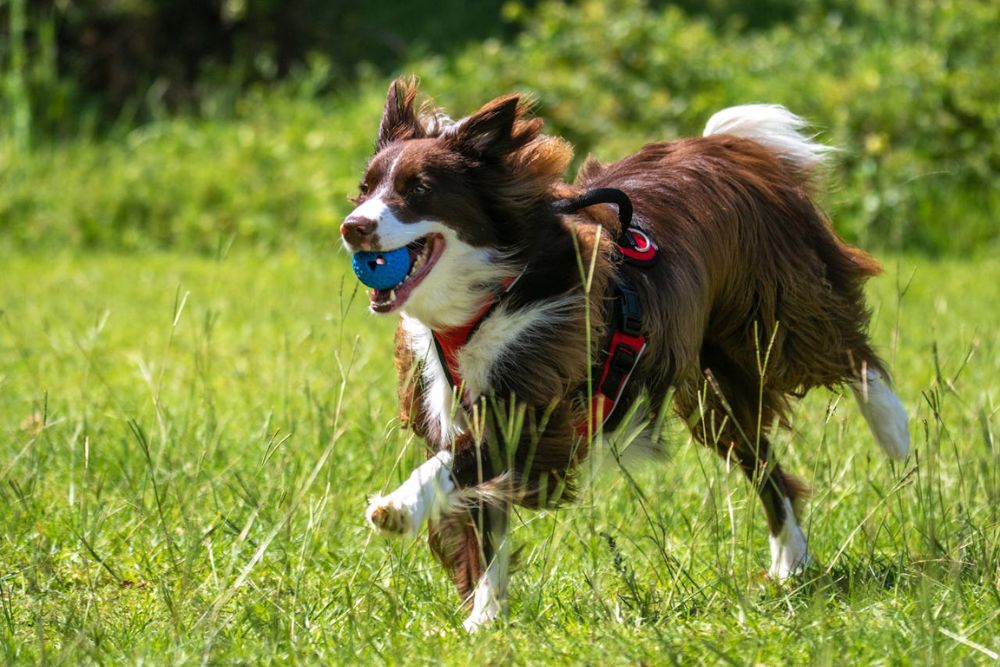
Border Collies are widely considered the most intelligent dog breed on the planet. They can learn a new command in fewer than five repetitions. Sounds perfect, right?
Here’s what nobody tells you: a genius dog with nothing to do is a wrecking ball with fur. Border Collies don’t just need physical exercise — they need mental exercise, constantly. Without it, they’ll start herding your kids, nipping at ankles, chewing through walls, and inventing their own “activities” that you will not enjoy.
These are farm dogs. They were bred to manage livestock across rolling hills all day long, making split-second decisions independently. Drop one into a suburban home with a 20-minute walk and a Kong toy, and you’re going to see the worst side of a brilliant animal.
Owners have reported broken house training, destroyed furniture, and scratched walls — not because the dog is bad, but because it’s bored out of its mind. Dr. Cuevas warns that their intelligence means they need near-constant mental challenges, and without them, they’re prone to developing destructive and aberrant behaviors.
You’ll need to commit to 1.5 to 2 hours of vigorous exercise daily, plus structured mental stimulation like puzzle feeders, training sessions, and ideally a dog sport.
- What people get wrong: “Smart means easy to train.” Smart actually means they’ll figure out the baby gate, the treat cabinet, and your daily schedule before you do.
- Who they’re right for: Active owners with access to dog sports — agility, flyball, herding trials — who can treat ownership as a genuine daily commitment.
5. Rottweiler — 135 Pounds of Love That Needs an Experienced Leader
Weight: 80–135 lbs | AKC Group: Working | Life Expectancy: 9–10 years | Energy: ★★★☆☆
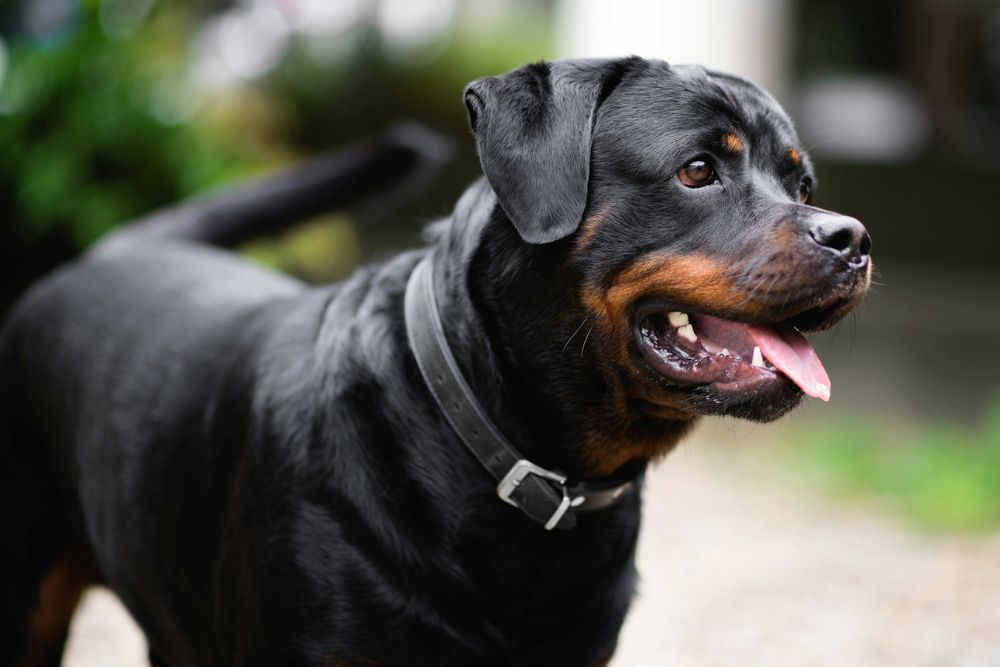
Rottweilers get a bad reputation, and a lot of it is unfair. Well-raised Rotties are among the most loyal, affectionate, and goofy dogs you’ll ever meet. They’ll lean against your legs, rest their enormous heads in your lap, and follow you from room to room like a 130-pound shadow.
But — and it’s a big but — getting to that point requires serious know-how.
Rotties were originally bred to herd livestock and pull carts, which means they’re strong. Really strong. They’re also highly protective, and without early, extensive socialization, that protectiveness can tip into aggression toward strangers, guests, and other animals.
Rottweilers hold steady at No. 8 on the AKC’s 2025 most popular breeds list, which means a lot of people are bringing them home. That’s fine — as long as the person holding the leash understands what they’re signing up for. A Rottweiler that hasn’t been properly socialized and trained isn’t just difficult. At 135 pounds of muscle, it can be dangerous.
- What people get wrong: “They’re just mean dogs.” They’re not. But they do require a handler who can establish leadership without intimidation — through consistency, structure, and calm confidence.
- Who they’re right for: Owners with prior large-breed experience who can commit to professional training and early socialization.
6. Dalmatian — Endless Energy Wrapped in a Photogenic Coat
Weight: 45–70 lbs | AKC Group: Non-Sporting | Life Expectancy: 11–13 years | Energy: ★★★★★
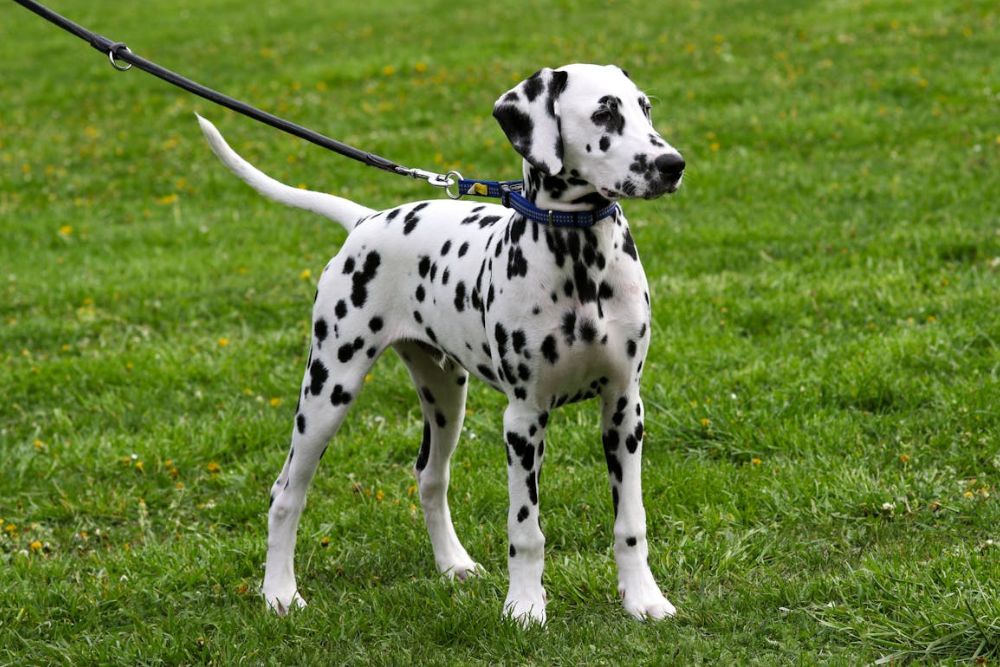
The 1996 live-action 101 Dalmatians triggered one of the most well-documented adoption surges in American pet history — followed almost immediately by a wave of surrenders. Families fell in love with the polka-dotted look. What they didn’t expect was a dog that could run alongside a horse for hours and then come home still looking for something to do.
Dalmatians were literally bred to run alongside horse-drawn carriages and fire engines for miles at a time. Their stamina is almost comical. Without a serious daily exercise commitment, they become destructive, noisy, and nearly impossible to live with. They’ll bark endlessly, chew anything within reach, and pace your house like a caged athlete.
They’re also heavier shedders than you’d expect from a short-coated breed. That sleek spotted coat drops hair constantly, year-round. And while they’re reasonably intelligent, they need 15 to 25 repetitions to learn a command — not because they’re slow, but because they’re independent thinkers who don’t live to please the way a Labrador does.
- What people get wrong: “They’re a classic family dog — just look at the movies!” The movies are fiction. The surrender rates that followed them were very real.
- Who they’re right for: Runners, cyclists, or active families with big yards who genuinely enjoy spending hours outside every single day.
7. German Shepherd — The World’s Most Versatile Dog (Which Is Exactly Why They’re Hard)
Weight: 50–90 lbs | AKC Group: Herding | Life Expectancy: 7–10 years | Energy: ★★★★☆
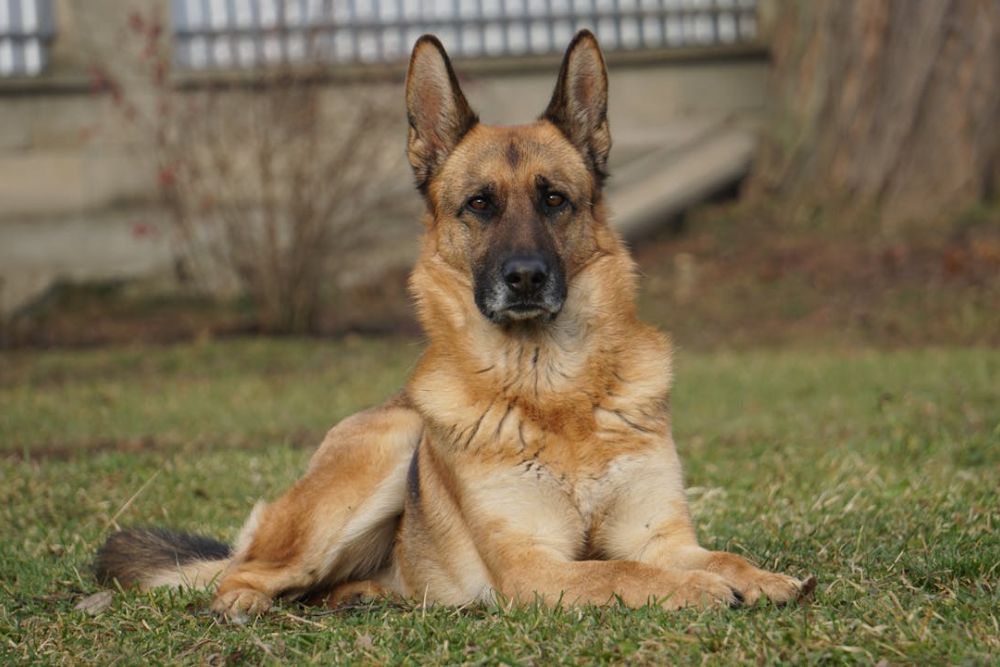
German Shepherds are the fourth most popular breed in America, according to the AKC. You see them everywhere — in police cruisers, on military bases, in service vests, and in suburban backyards. That ubiquity tricks a lot of first-time owners into thinking, “If they’re this common, they can’t be that hard.”
They can.
GSDs were bred for work — herding, protection, detection, search-and-rescue. They’re large, powerful, and smart enough to get bored quickly if their days lack structure. Without rigorous daily exercise and mental engagement, they can develop separation anxiety, excessive barking, and in some cases, aggression rooted in frustration or fear.
Dr. Cuevas cautions first-timers that this breed’s size, protective instincts, and likelihood of aggression issues without proper handling make them a poor choice for beginners. They need an owner who provides purpose — not just walks, but training, tasks, and consistent expectations.
Their grooming also surprises people. That thick double coat sheds heavily, and “blowing coat” season (twice a year) turns your house into a fur factory.
- What people get wrong: “They’re popular, so they must be beginner-friendly.” Popularity and ease of ownership are two completely different things.
- Who they’re right for: Active, committed owners who want a deeply bonded partner and are prepared to invest in structured training from day one.
8. Chow Chow — Looks Like a Teddy Bear, Acts Like a Cat
Weight: 45–70 lbs | AKC Group: Non-Sporting | Life Expectancy: 8–12 years | Energy: ★★☆☆☆
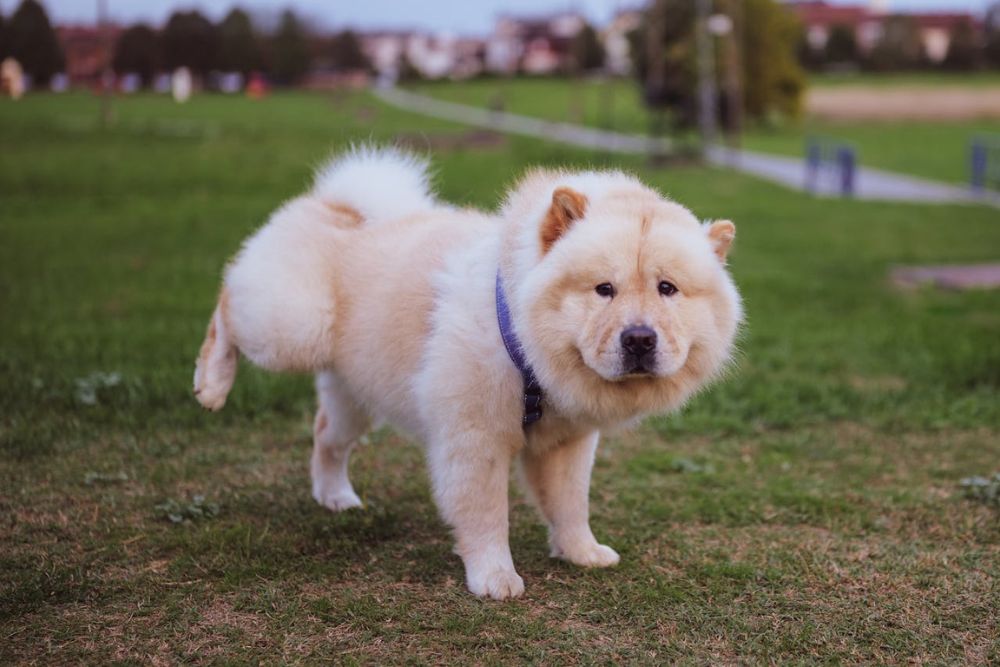
With their lion-like mane and signature purple tongue, Chow Chows look like the kind of dog you’d want to bury your face in for a long hug. But if you actually tried that with most Chow Chows, you’d get a look of pure disdain — if you were lucky.
This is one of the most independent, aloof breeds in existence. They don’t crave your approval. They don’t perform tricks for treats with enthusiasm. They may bond intensely with one person in the household and remain deeply suspicious of everyone else — including your friends, your extended family, and your other pets.
Training? It’s an exercise in patience. Chow Chows may need 80 to 100 repetitions to learn a single command, which puts them near the bottom of trainability rankings. That’s not a sign of low intelligence — it’s stubbornness, pure and simple. They know what you want. They just don’t see why they should bother.
Add in a thick double coat that needs daily brushing to prevent matting and potential territorial aggression toward strangers, and you’ve got a breed that’s genuinely tough for someone without experience.
The Vetstreet veterinary survey highlighted the Chow Chow’s tendency toward aggression when improperly socialized as a key reason it’s a poor choice for beginners.
- What people get wrong: “They’re fluffy and cute, so they must love cuddles.” Most Chow Chows actively dislike being hugged or fussed over, especially by people they haven’t chosen.
- Who they’re right for: Patient, experienced owners who appreciate feline-like independence and aren’t looking for a people-pleasing companion.
9. Australian Cattle Dog — A Herding Machine That Will Herd Your Kids If You Let It
Weight: 35–50 lbs | AKC Group: Herding | Life Expectancy: 12–16 years | Energy: ★★★★★
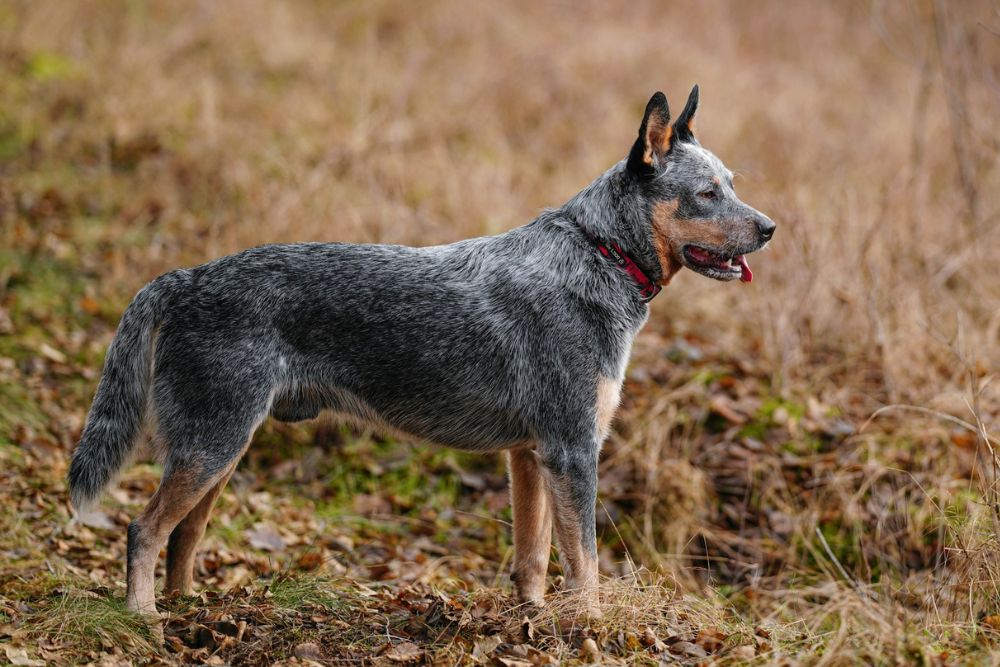
Don’t let the medium size fool you. Australian Cattle Dogs — also called Blue Heelers or Red Heelers — pack more intensity per pound than almost any breed on this list.
They were bred to drive cattle across vast stretches of the Australian outback. That job required intelligence, endurance, independence, and a willingness to nip at heels to keep stubborn livestock moving. Remove the cattle, and all of those traits are still firing — except now they’re aimed at your toddler, your ankles, and your other pets.
ACDs need a job. Without structured physical and mental activity, they become anxious, restless, and destructive. They’re also naturally wary of strangers, which can be a real issue if you regularly have visitors, host gatherings, or live in a busy neighborhood.
They’re brilliant dogs — loyal, hardworking, and capable of incredible things in the right hands. But “right hands” means someone who understands working breeds and has the lifestyle to match. A first-time owner who works nine-to-five and comes home hoping for a calm evening is going to have a very long year.
- What people get wrong: “They’re medium-sized and manageable.” Physical size has nothing to do with mental intensity. This breed has the energy demands of a dog twice its weight.
- Who they’re right for: Rural or suburban owners with active outdoor lifestyles — ideally people involved in dog sports, farm work, or similar structured daily activities.
10. Alaskan Malamute — Everything About a Husky, but Bigger and Stronger
Weight: 75–100 lbs | AKC Group: Working | Life Expectancy: 10–14 years | Energy: ★★★★☆
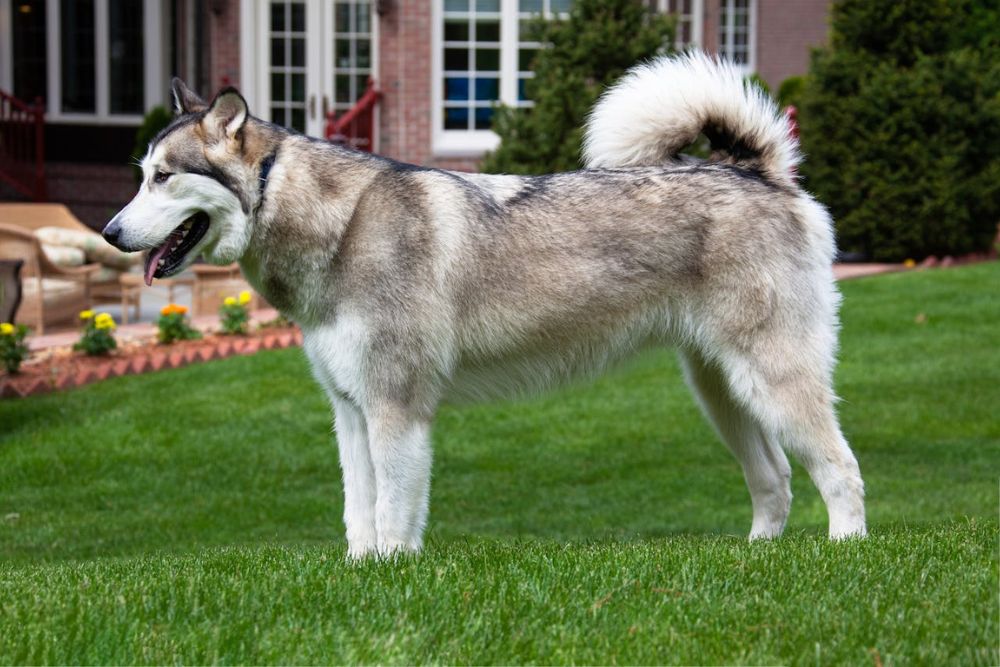
If the Siberian Husky is the high-energy escape artist of the dog world, the Alaskan Malamute is its bigger, stronger, even more stubborn cousin. Malamutes were bred for heavy-duty hauling in Arctic conditions — pulling sleds loaded with supplies over long distances. That means they’ve got power. A lot of it.
An unprepared owner can easily be pulled off their feet during a walk, and these dogs think nothing of it. They also share the Husky’s escape-artist tendencies, independent streak, and refusal to come when called if something more interesting has caught their attention.
Their coat is a commitment unto itself. It’s thick, dense, and built for subzero temperatures, which means massive shedding year-round with two major “blow” periods that will bury your home in fur. Grooming isn’t optional — it’s a multiple-times-per-week obligation.
- What people get wrong: “They’re basically big, fluffy Huskies.” Malamutes are significantly larger, stronger, and more independent. If a Husky is hard mode, a Malamute is expert mode.
- Who they’re right for: Experienced northern-breed owners in cold climates with plenty of outdoor space and a serious commitment to daily exercise and grooming.
11. English Bulldog — The Chill Breed With a Staggering Vet Bill
Weight: 40–50 lbs | AKC Group: Non-Sporting | Life Expectancy: 8–10 years | Energy: ★★☆☆☆
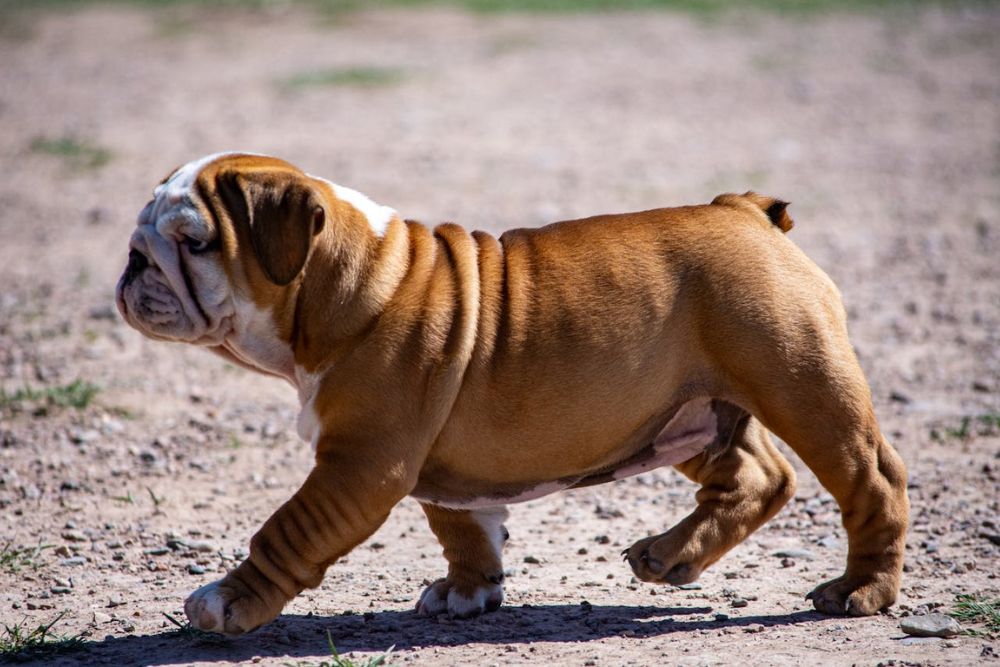
Here’s the curveball on this list. The English Bulldog isn’t here because it’s too energetic, too dominant, or too independent. It’s here because it can quietly drain your bank account and your emotional reserves through sheer volume of health problems.
Bulldogs are brachycephalic — meaning they have short, flat faces with compressed airways. This causes chronic breathing difficulties, exercise intolerance, and extreme sensitivity to heat. They overheat quickly, struggle with even moderate physical activity, and often need surgery to open their airways enough to breathe comfortably.
But that’s just the start. Bulldogs are also prone to skin fold infections, cherry eye, hip dysplasia, joint problems, and spinal issues. The AVMA’s 2025 Pet Ownership Sourcebook reports the average dog vet visit cost at $220 — but for brachycephalic breeds, that number can multiply quickly with specialist consultations, surgeries, and ongoing management.
Dr. Cuevas warns that brachycephalic breeds like English Bulldogs require intensive health management that can overwhelm novice owners. They’re also surprisingly stubborn during training, which adds another layer of frustration for someone who’s never raised a dog.
- What people get wrong: “They’re low-energy, so they’re perfect for beginners who don’t want to exercise much.” Low-energy doesn’t mean low-maintenance. The medical management alone can be a full-time job.
- Who they’re right for: Owners with the financial cushion for ongoing veterinary care and the patience for a slow-moving, stubborn, health-intensive companion.
12. Cane Corso — An Ancient Guardian Breed Climbing the Popularity Charts Fast
Weight: 85–110 lbs | AKC Group: Working | Life Expectancy: 9–12 years | Energy: ★★★☆☆
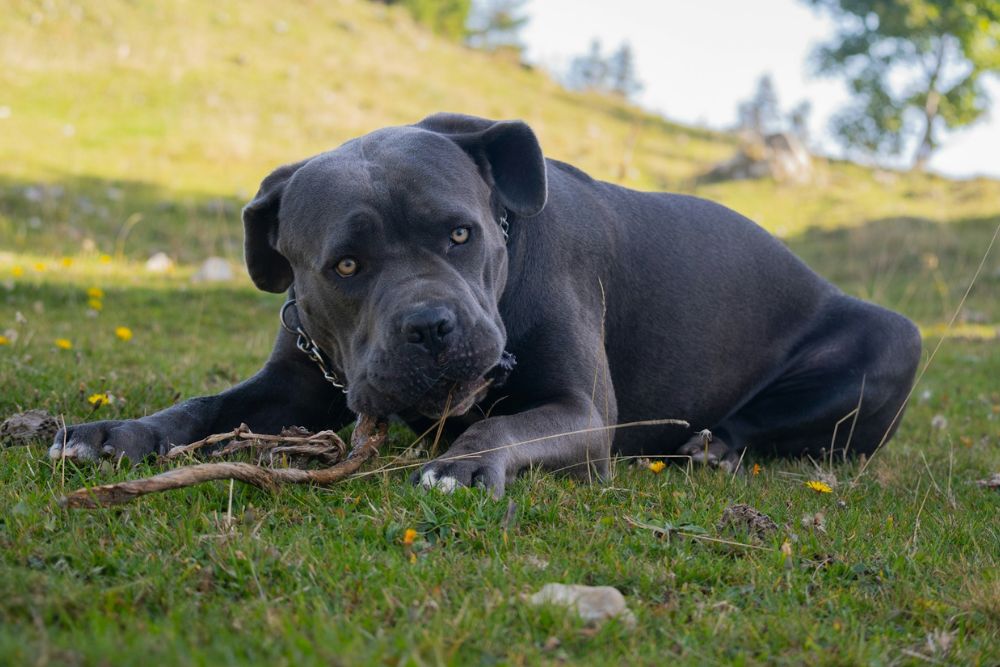
The Cane Corso is this list’s dark horse — literally. This massive Italian guardian breed just hit No. 11 on the AKC’s 2025 popularity rankings and it’s climbing. Social media has turned the Corso into an aspirational status dog, and first-time owners are noticing. That should worry anyone who cares about dogs.
Cane Corsos were bred to guard property, hunt large game, and serve as war dogs in ancient Rome. Those aren’t instincts you can train out with a weekend obedience class. Without early, extensive socialization, Corsos can become territorial, suspicious of all visitors, and physically overwhelming to control. At 85–110 pounds of solid muscle, a Cane Corso that pulls toward a perceived threat is a safety issue, full stop.
They’re not aggressive by nature. But they are powerful, confident, and wired to make independent judgments about threats. A first-time owner who sends mixed signals or fails to establish consistent boundaries is going to end up with a dog that runs the household — and one that’s strong enough to back it up.
This is a breed where the stakes are high. Getting it right means you’ve got an extraordinary companion. Getting it wrong can mean property damage, bite incidents, breed-specific legislation problems, and a dog that ends up in a shelter because nobody else can handle it either.
- What people get wrong: “I want a guard dog — a Corso looks perfect.” Wanting protection and being qualified to raise a guardian breed are two very different things.
- Who they’re right for: Experienced large-breed owners who’ve worked with guardian-type dogs before and can provide structured leadership, socialization, and professional training starting in puppyhood.
Mistakes That Lead First-Time Owners to the Wrong Breed
The most common mistakes first-time owners make when looking to get a dog include:
- Picking a breed based on looks or pop culture
- Underestimating exercise needs
- Skipping obedience training
- Ignoring the budget and financial implications
So What Should a First-Time Owner Look For?
If this list has you second-guessing everything, take a breath. There are plenty of wonderful breeds that are genuinely great for beginners. You want to look for dogs that are:
- Eager to please and responsive to training
- Moderate in energy
- Forgiving of mistakes.
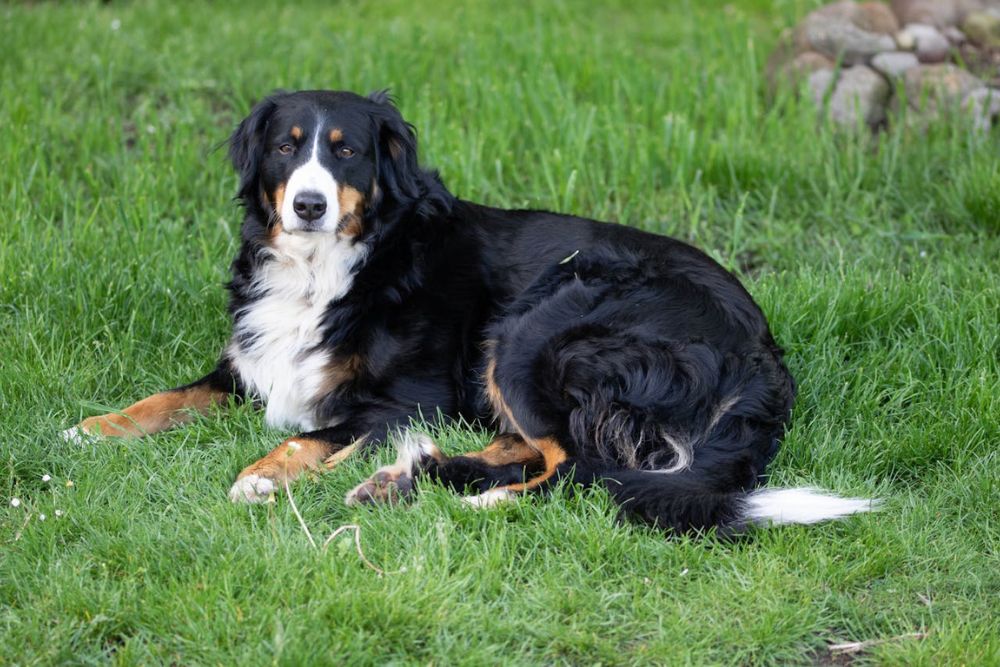
Breeds like the Labrador Retriever, Golden Retriever, Cavalier King Charles Spaniel, Bichon Frise, and Poodle (standard or miniature) consistently show up on beginner-friendly lists for good reason. They’re adaptable, trainable, and built for companionship.
Also worth considering: adopting an adult or senior dog. Adult dogs tend to have more manageable energy levels, many already have basic training, and their temperaments are known quantities. You skip the chaos of puppyhood and gain a dog whose personality you can evaluate upfront.
For a full breakdown of breeds that are ideal for your first dog, check out our companion guide: Best Dog Breeds for First-Time Owners.
The Bottom Line
Every single breed on this list can make an incredible companion in the right home. That’s not lip service — it’s the truth. Huskies are magnificent. Rottweilers are devoted. Border Collies will blow your mind with what they can do. But “incredible” and “right for a beginner” aren’t the same thing.
The best dog for you isn’t the most beautiful, the most popular, or the one your favorite influencer just posted about. It’s the one whose needs honestly match your lifestyle, your living situation, your budget, and your experience level. Getting that match right isn’t just good for you — it’s good for the dog.
Because here’s the stat worth remembering: more than 1 million American households rehome or surrender a pet every year. Behind every one of those numbers is a family that thought it would work out — and a dog that lost its home.
Do the research now. Talk to a vet. Visit a breed-specific rescue. Meet adult dogs. Ask hard questions about your own habits and schedule. And when you do find the right match? You won’t just be getting a pet. You’ll be starting one of the best relationships of your life.
Frequently Asked Questions
Here are a few frequently asked questions that might be helpful to you:
What is the hardest dog breed to own?
Most veterinary professionals point to the Belgian Malinois. Their extreme working drive, need for constant stimulation, and intensity make them unsuitable for pet-only homes, let alone first-time owners. Even experienced owners often find them overwhelming without involvement in structured work like protection sports or law enforcement training.
Are Huskies good for first-time owners?
Generally, no. Siberian Huskies need enormous amounts of exercise, shed heavily, have almost no recall, and are determined escape artists. They’re wonderful dogs in the right situation, but that situation rarely includes someone who’s never owned a dog before.
What is the easiest dog breed for first-time owners?
Labrador Retrievers, Golden Retrievers, and Cavalier King Charles Spaniels are consistently recommended by vets. They’re trainable, adaptable, eager to please, and forgiving of the mistakes that every new owner inevitably makes. For a deeper look, check out our guide to the best dog breeds for first-time owners.
What dog breeds have the most behavioral problems?
Behavioral problems are usually a result of mismatched expectations rather than inherent flaws. That said, high-energy working breeds like Border Collies, Huskies, and Belgian Malinois tend to develop the most behavioral issues when their exercise and stimulation needs aren’t met — which happens frequently in pet-only homes.
How do I know which dog breed is right for me?
Start by honestly evaluating your lifestyle: How active are you? How much space do you have? What’s your budget for vet care? How much time can you spend on training and exercise daily? Match those answers to breed characteristics rather than looks. Consulting a veterinarian or visiting breed-specific rescue organizations can also help you find the right fit.