Your 10-year-old tabby just jumped off the counter with the confidence of a teenager. Meanwhile, your neighbor’s 10-year-old Sphynx hasn’t climbed anything in months. Same age on paper — completely different chapters of life.
That’s because the standard cat-to-human-years formula everyone uses was never built to account for breed. It treats a Burmese the same as a Bengal, even though one routinely lives past 14 and the other averages closer to 8. So when you Google “cat years to human years,” you get a generic chart that’s only half the story.
This guide fills in the other half. Below, you’ll find breed-adjusted age conversion charts for 15+ cat breeds, grounded in the 2024 VetCompass study from the Royal Veterinary College — the largest cat lifespan study to date, covering nearly 8,000 cats. Whether you’ve got a Russian Blue, a Persian, or a rescue moggy, you’ll walk away knowing exactly where your cat sits on the aging curve.
The Standard Cat-to-Human Years Formula (And Why It Falls Short)
The most widely cited conversion comes from the American Veterinary Medical Association (AVMA). Here’s the short version: a cat’s first year equals roughly 15 human years, their second year brings them to 24, and every year after that adds about four human years.
It’s a solid baseline. It correctly captures the rapid early maturation that makes a 1-year-old cat more like a human teenager than a 7-year-old child. And it’s far more accurate than the old “multiply by 7” myth that somehow still floats around.
But here’s where it breaks down. The formula assumes every cat has roughly the same lifespan — around 14 to 15 years. That’s a reasonable average, but it papers over enormous breed-level differences. A Burmese cat averages 14.4 years. A Sphynx averages 6.7. That’s not a small gap — it’s the difference between retiring at 65 and retiring at 40.
For quick reference, here’s the standard conversion table using the AVMA formula:
This works fine as a rough guide. But if you want to understand where your cat actually stands — based on their breed — keep reading.
What Makes Breeds Age Differently
Not all cats are dealt the same genetic hand. Several biological factors explain why a Siamese can cruise into its late teens while a Bengal might already be in decline at age 7.
Genetics and inbreeding play the biggest role. Pedigreed cats average around 12.5 years, while crossbred cats average about 14 years, according to research published in the Journal of Feline Medicine and Surgery. That 1.5-year gap comes down to something breeders call “hybrid vigor” — mixed-breed cats draw from a wider gene pool, which reduces the odds of inheriting two copies of a harmful recessive gene.
Then there are breed-specific health predispositions. Sphynx cats are prone to hypertrophic cardiomyopathy (a thickening of the heart muscle) and skin infections. Persians frequently develop polycystic kidney disease. Bengals face higher rates of progressive retinal atrophy. These conditions don’t just reduce lifespan — they compress the aging curve, pushing cats into their senior years earlier than the generic formula suggests.
Indoor versus outdoor lifestyle compounds everything. Indoor cats live an average of 16 to 18 years, while outdoor cats average 13 to 14. When you layer a breed predisposition for shorter life on top of outdoor hazards — traffic, predators, infections — the numbers drop further.
And body size matters too, though less dramatically than in dogs. Giant breeds like the Maine Coon and Norwegian Forest Cat carry slightly different aging profiles than small-framed breeds, partly because larger bodies place more strain on joints and organs over time.
Cat Years to Human Years — Breed-by-Breed Breakdown
Here’s where this guide departs from everything else you’ll find online. The charts below adjust the standard AVMA formula using breed-specific average lifespans from the VetCompass study and data from the Cat Fanciers’ Association (CFA). Longer-lived breeds accumulate “human years” more slowly. Shorter-lived breeds stack them up fast.
A quick note: these are estimates, not medical diagnoses. Individual cats vary based on diet, weight, genetics, and care. But they’re far more useful than pretending every breed ages the same.
Longest-Lived Breeds (14+ Years Average)
1. Burmese — These cats topped the 2024 VetCompass longevity rankings with an average lifespan of 14.4 years. They’re muscular, social, and remarkably healthy as a breed. The most common senior concern is diabetes mellitus, so keep an eye on weight as they age.
2. Russian Blue — With lifespans regularly stretching to 15–20 years, Russian Blues are among the hardiest pedigreed cats around. They’re not predisposed to many hereditary conditions, though indoor-only Russian Blues can trend toward obesity if their diet isn’t managed.
3. Siamese — One of the oldest recognized breeds in the world, Siamese cats average 12–15 years but frequently push past 20. According to The International Cat Association (TICA), Siamese-group breeds consistently trend toward longer lifespans. Their biggest senior risks are amyloidosis and dental disease.
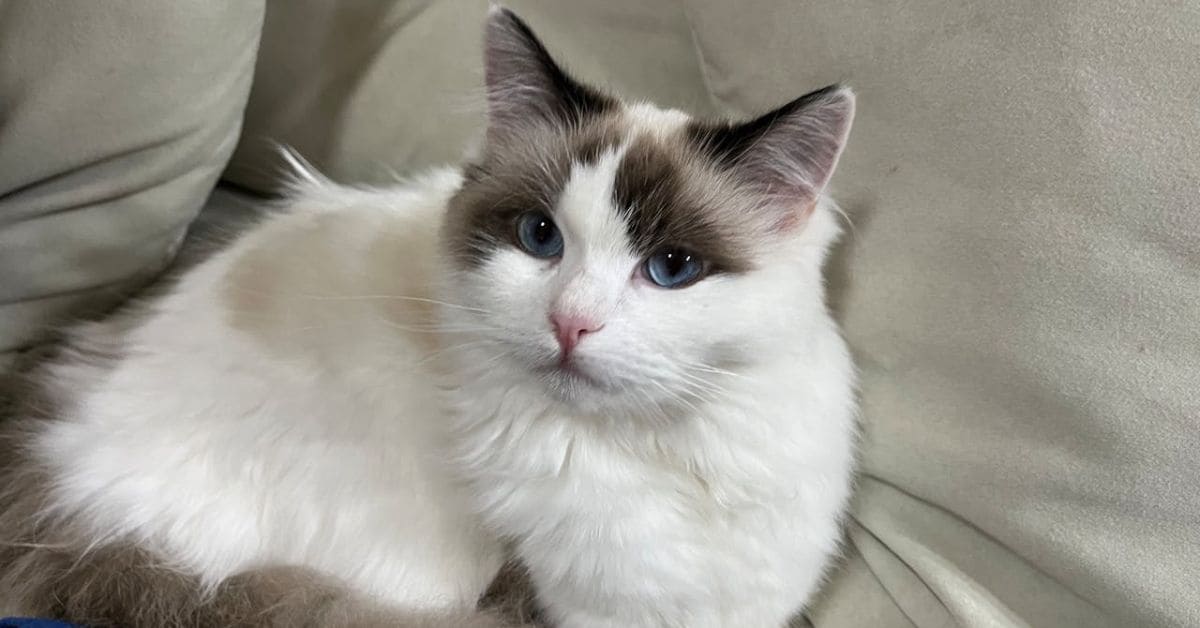
4. Ragdoll — These gentle, floppy cats typically live 12–17 years. Their calm temperament may actually work in their favor — lower chronic stress is associated with healthier aging in cats. The primary concern is hypertrophic cardiomyopathy, which responsible breeders screen for.
A 15-year-old Russian Blue is roughly equivalent to a 67-year-old human — still active, still sharp. That same age on the generic chart (the first chart above) would say 72. It’s not a huge difference, but it shifts when you start planning vet checkups and dietary transitions.
Medium-Lifespan Breeds (10–14 Years Average)
1. British Shorthair — Sturdy, round-faced, and independent, British Shorthairs typically live 12–14 years. They’re prone to weight gain, and obesity is their biggest aging accelerator. Hypertrophic cardiomyopathy is also a breed concern.
2. Maine Coon — The largest domestic cat breed usually lives 10–13 years. Their size puts extra stress on joints, and hip dysplasia is more common in Maine Coons than in most other breeds. Spinal muscular atrophy is another breed-specific condition, though it’s rarely fatal.
3. Norwegian Forest Cat — Built for Scandinavian winters, these cats average 12–16 years. They’re generally robust, but glycogen storage disease type IV is a known breed-specific genetic condition that breeders should screen for.
4. Scottish Fold — Those distinctive folded ears result from a cartilage mutation that also affects joints. Scottish Folds average 11–14 years, and osteochondrodysplasia (a painful bone and joint condition) is the primary senior concern. Some individuals develop mobility issues earlier than expected.
5. Abyssinian — Highly athletic and curious, Abyssinians live 9–13 years. They’re prone to renal amyloidosis (a kidney condition) and chronic gingivitis. Their high activity levels can mask early signs of decline, so regular vet checkups matter more than with mellower breeds.
6. Persian — That flat face isn’t just cosmetic. Brachycephalic anatomy creates breathing difficulties and increases susceptibility to respiratory infections. Persians average 10–13 years, and polycystic kidney disease affects roughly a third of the breed.
Notice how quickly the numbers climb for a Maine Coon. At age 10, a Maine Coon is roughly equivalent to a 64-year-old human — well into senior territory. A Norwegian Forest Cat at the same age is closer to 54. Same birthday, very different bodies.
Shorter-Lived Breeds (Under 10 Years Average)
This section is harder to write, and it might be harder to read if you own one of these breeds. But the data is important — not because it’s a verdict, but because it tells you when to start paying closer attention.
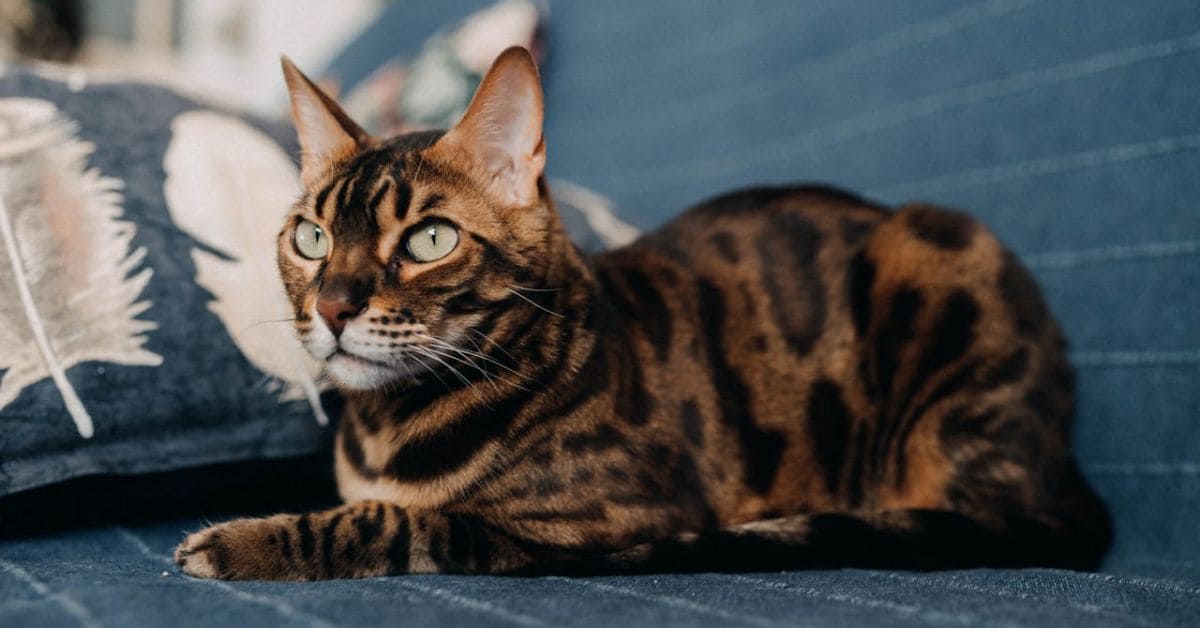
1. Bengal — Strikingly beautiful and wildly energetic, Bengals average just 8.5 years according to the VetCompass data. Progressive retinal atrophy and heart disease are the main concerns. Early and frequent vet screening gives Bengals the best shot at beating the average.
2. Sphynx — The shortest-lived breed in the 2024 study, averaging 6.7 years. Their hairlessness (the result of a spontaneous mutation first documented in 1966) brings increased susceptibility to hypertrophic cardiomyopathy, skin infections, and hypothermia. None of this means your Sphynx won’t live a long life — individual cats regularly surpass the average — but it does mean proactive care matters even more.
3. Manx — The tailless gene that defines this breed also causes spinal defects in some (known as Manx syndrome). Lifespans range widely from 8 to 14 years depending on genetic luck. Arthritis tends to set in earlier than in most breeds.
A 6-year-old Sphynx is roughly equivalent to a 72-year-old human. That’s a sobering number. But it’s also a useful one — it tells you that senior bloodwork, cardiac screening, and dietary adjustments shouldn’t wait until your Sphynx turns 10. By then, you’ve likely missed the window.
Mixed Breed / Domestic Shorthair & Longhair
Here’s the good news for the majority of cat owners: if your cat is a regular domestic shorthair or longhair — a moggy, in British parlance — they’ve got genetics working in their favor.
Domestic Shorthair cats average around 14 years, benefiting from the genetic diversity that comes with crossbreeding. Domestic Longhair cats are similar, ranging from 12 to 18 years. The VetCompass study confirmed that crossbred cats outlive pedigreed cats by a meaningful margin.
For mixed-breed cats, the standard AVMA conversion table (the one at the top of this article) is actually a pretty good fit. Their aging curve aligns closely with the assumptions built into that formula.
The Six Life Stages of a Cat — And When Each Breed Hits Them
The American Association of Feline Practitioners (AAFP) and International Cat Care divide a cat’s life into six stages: Kitten (0–6 months), Junior (7 months to 2 years), Adult (3–6 years), Mature (7–10 years), Senior (11–14 years), and Geriatric (15+ years).
These stages were built around the average cat. But breed changes when each stage actually begins.
Look at the “Adult” row. A 6-year-old Burmese is about 40 in human years — solidly in their prime. A 6-year-old Sphynx is closer to 72. That’s not the same life stage, even though the calendar says the same thing. It changes when you should start senior-formula food, when twice-yearly vet visits should replace annual ones, and when baseline bloodwork becomes essential rather than optional.
Beyond Breed — Other Factors That Shape Your Cat’s True Age
Breed sets the baseline, but it’s not the whole picture.
Spaying and neutering has one of the largest single effects on lifespan. Neutered males live roughly 62% longer than intact males, and spayed females live about 39% longer, according to data from the ASPCA. The hormonal changes reduce roaming behavior, territorial fighting, and the risk of reproductive cancers.
Weight also matters more than most owners realize. Every extra 2 pounds on a cat’s frame can shave roughly 6 months off their life expectancy. That’s not a scare tactic — it’s math. Lean cats simply age more gracefully, with lower rates of diabetes, joint disease, and hepatic lipidosis.
Dental health is the sleeper factor. Around 70% of cats show signs of dental disease by age 2. Chronic oral infection doesn’t stay in the mouth — it’s linked to kidney damage and insulin resistance, both of which accelerate aging.
And don’t underestimate enrichment. A sedentary indoor cat and an enriched indoor cat are not living the same quality of life. Climbing structures, puzzle feeders, and regular play sessions reduce chronic stress, and lower stress is associated with slower biological aging.
Key Takeaways
The generic cat-to-human-years formula is a starting point, not the final word. Your cat’s breed bends the aging curve in ways that matter for their care.
A 10-year-old Burmese is a healthy, active 53 in human terms. A 10-year-old Maine Coon is closer to 64 — already a senior. And if you’ve got a Sphynx or Bengal, the senior conversation should start years earlier than you might expect from the standard chart.
What does this mean in practice? It means timing your cat’s care to their aging curve, not the generic one. Schedule senior bloodwork when your breed’s data says it’s time, not when the calendar hits an arbitrary number. Transition to age-appropriate nutrition based on where your cat actually sits on the lifespan curve. And if you’ve got a shorter-lived breed, those proactive cardiac screenings aren’t overkill — they’re the single best thing you can do.
One last thing worth saying: mixed-breed cats benefit from genetic diversity and often outlive their pedigreed cousins. If your cat’s a rescue with no breed paperwork, there’s a very good chance the standard AVMA chart works just fine — and that your cat will be around for a long, happy time.
Whatever breed shares your couch, the fundamentals don’t change. Keep them indoors, keep them lean, keep their teeth clean, and don’t skip the vet visits. The rest is just love, and you’ve clearly got plenty of that — otherwise you wouldn’t have read this far.
Frequently Asked Questions
Do all cat breeds age at the same rate?
No. While all cats mature rapidly in their first two years, their aging rate after that varies by breed. Longer-lived breeds like the Burmese and Russian Blue accumulate “human years” more slowly, while shorter-lived breeds like the Sphynx and Bengal age significantly faster relative to humans.
What breed of cat lives the longest?
According to the 2024 VetCompass study, the Burmese breed has the longest average life expectancy at 14.4 years. Russian Blues and Siamese cats also regularly live well into their late teens, with some Siamese cats reaching 20 or beyond. Mixed-breed cats, on average, outlive most pedigreed breeds.
Is a 10-year-old cat considered old?
It depends on the breed. For a Burmese or Russian Blue, 10 is “mature” — roughly equivalent to a human in their early 50s. For a Maine Coon or Persian, 10 is firmly “senior,” closer to a human in their mid-60s. For a Sphynx, 10 would exceed the breed’s average lifespan entirely.
Do indoor cats live longer than outdoor cats?
Yes, significantly. Indoor cats average 16–18 years, while outdoor cats average 13–14 years. Outdoor cats face higher risks from traffic accidents, predators, infectious diseases, and territorial fights. This indoor advantage applies across all breeds.
Can I tell my cat’s age if I don’t know their birthday?
A veterinarian can estimate your cat’s age by examining their teeth (tartar buildup and wear), eyes (lens clarity and iris condition), coat quality (coarseness and graying), and muscle tone (loss along the spine and shoulders). Dental development is the most reliable indicator for younger cats, while eye changes become more useful for estimating age in seniors.