
Watching your dog have a seizure is terrifying. One second they’re fine — the next, they’re on the ground, body stiff, legs paddling, completely unresponsive. If you’ve been through it, you already know the panic. And if you haven’t? It’s worth knowing whether your dog’s breed puts them at higher risk.
Seizures affect roughly 0.6% to 5% of all dogs, depending on the study you look at. But here’s what most people don’t realize: some dog breeds are significantly more prone to seizures than others, often because of inherited neurological conditions like idiopathic epilepsy.
That’s epilepsy with no identifiable underlying cause — it’s genetic, it runs in families, and certain breeds carry a much heavier burden. So which breeds should you be paying extra attention to? And what can you actually do about it? Let’s break it down.
Why Are Some Breeds More Prone to Seizures?
Before we get into specific breeds, it helps to understand what’s happening in a dog’s brain during a seizure. Seizures result from abnormal, excessive electrical activity in the brain. Think of it like an electrical storm — neurons fire when they shouldn’t, causing everything from subtle twitching to full-body convulsions.
The biggest factor behind breed-specific seizure risk is genetics. Idiopathic epilepsy, the most common cause of recurrent seizures in dogs, has a strong hereditary component. Certain breeds have been selectively bred for generations, and unfortunately, that concentrated gene pool has amplified neurological vulnerabilities alongside the traits breeders were actually selecting for.
A landmark 2018 study published in the Journal of Veterinary Internal Medicine examined seizure occurrence across nearly half a million dogs in the UK. The findings confirmed what veterinary neurologists had long suspected: breed is one of the strongest risk factors for seizures, alongside age, sex, and body weight. Male dogs, for instance, showed a higher seizure risk than females.
It’s also worth noting that idiopathic epilepsy typically shows up between 6 months and 6 years of age. If your dog’s first seizure happens outside that window, the underlying cause may be something else entirely — a brain tumor, toxin exposure, or metabolic disorder.
The Dog Breeds with the Highest Seizure Risk
Based on peer-reviewed veterinary research and breed-specific health data, these are the breeds most commonly associated with epilepsy and seizure disorders.
1. Pugs
Pugs sit at the very top of the list. According to research data, they have a seizure incidence rate of approximately 1.88% — more than double the average for all dogs. Their brachycephalic (flat-faced) skull structure may play a role, though the exact connection between head shape and epilepsy isn’t fully understood. Pugs also face a breed-specific condition called Pug Dog Encephalitis, a fatal inflammatory brain disease found only in the breed.
2. Boxers
Energetic, loyal, and full of personality, Boxers are a favorite for good reason. But they also carry an elevated epilepsy risk, with seizure rates around 1.73%. Their predisposition appears to be genetic, and seizures in Boxers often follow the classic idiopathic epilepsy pattern — appearing in young adulthood with no identifiable cause.
3. Border Collies
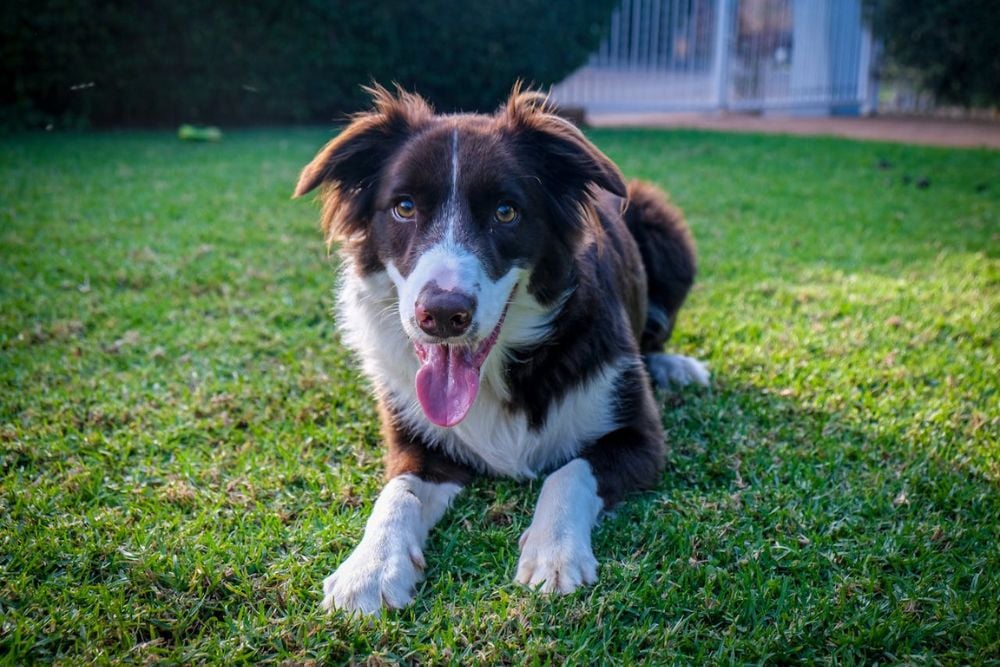
These brilliant herding dogs have a seizure rate of roughly 1.45%. Interestingly, there’s a suspected link between epilepsy and the MDR1 gene mutation common in herding breeds. This same gene affects how dogs metabolize certain medications, which can complicate treatment. If you own a Border Collie, MDR1 genetic testing is something worth discussing with your vet.
4. Beagles
Beagles are one of America’s most popular family dogs, known for their adaptability and friendly temperament. They’re also among the breeds most susceptible to seizures, with an incidence rate of about 1.37%. Research conducted on colonies of epileptic Beagles has actually helped scientists understand canine epilepsy more broadly.
5. Cavalier King Charles Spaniels
These charming toy dogs carry a seizure risk of around 1.26%. Genetic factors related to their skull structure may contribute. They’re also prone to a number of other neurological conditions, including syringomyelia, which makes regular veterinary monitoring especially important for this breed.
6. Golden and Labrador Retrievers
It might surprise you to see two of the world’s most popular breeds here. Both Goldens and Labs are genetically predisposed to idiopathic epilepsy, and Labs were actually the most common breed among seizure cases in the large-scale UK study. Labs can also experience atypical seizures — instead of the dramatic convulsing most people picture, they may simply stagger or stare blankly into space.
Golden Retrievers carry what researchers describe as a polygenic mode of epilepsy inheritance, meaning multiple genes contribute to their risk rather than a single mutation.
7. Other Notable Breeds
Several other breeds show elevated seizure risk and deserve mention: Australian Shepherds, German Shepherds, Belgian Tervurens, Shetland Sheepdogs, Saint Bernards, Standard Poodles (with Miniature and Toy Poodles at even higher risk), Irish Wolfhounds, English Springer Spaniels, Siberian Huskies, Dachshunds, British Bulldogs, Yorkshire Terriers, and Vizslas.
Yorkshire Terriers are worth singling out briefly. Their seizure risk isn’t always from epilepsy itself — they’re prone to hypoglycemia and liver shunts, both of which can trigger seizures if left untreated. That’s a different mechanism entirely.
Types of Seizures in Dogs
Not all seizures look the same, and recognizing the different types matters for both diagnosis and treatment.
Generalized (Grand Mal) seizures are the ones most people think of. The dog loses consciousness, falls over, and experiences violent muscle contractions in all four limbs. They may drool, foam at the mouth, or lose bladder and bowel control. These episodes typically last 30 seconds to a few minutes.
Focal seizures affect only one region of the brain and may cause twitching in just one part of the body — a limb, the face, or one side. The dog may or may not lose consciousness. Focal seizures can sometimes progress into generalized ones.
Psychomotor seizures are the sneaky ones. They don’t always look like seizures at all. Your dog might suddenly chase their tail obsessively, snap at invisible flies, or exhibit other repetitive, unusual behaviors. These are easy to miss or dismiss as quirky habits.
According to the Cornell University College of Veterinary Medicine, idiopathic epilepsy usually first appears between 6 months and 6 years. Dogs under one year are more likely to have seizures caused by congenital defects or infections, while dogs over six having their first seizure may be dealing with a brain tumor or metabolic issue.
What to Do If Your Dog Has a Seizure

First and most importantly: stay calm. Your dog isn’t in pain during a seizure, even though it looks awful.
Here’s what you should do during an episode: move any objects that could injure your dog, keep your hands away from their mouth (dogs don’t swallow their tongues — that’s a myth), note the time so you can track how long it lasts, and gently guide them away from stairs or sharp furniture if possible. Don’t try to restrain them.
After the seizure ends, your dog will enter a “post-ictal” phase where they may seem disoriented, confused, or temporarily blind. This is normal and can last anywhere from a few minutes to several hours. Keep the environment quiet and calm.
If a seizure lasts longer than five minutes, or if your dog has multiple seizures in a row without recovering between them, that’s a veterinary emergency. This is called status epilepticus, and it can cause permanent brain damage or death without intervention.
Pro tip: Try to record the seizure on your phone. Vets can’t witness what happens at home, and video is the single best tool for helping your veterinary team determine whether the episode was a true seizure or something else, like a fainting spell or vestibular episode.
Treatment and Management Options
If your dog is diagnosed with epilepsy, the good news is that most dogs respond well to medication and can live long, happy lives.
The American College of Veterinary Internal Medicine recommends several antiseizure medications as first-line treatments. Phenobarbital remains one of the most effective and widely used options. Potassium bromide is often chosen for dogs with liver concerns, since it doesn’t undergo hepatic metabolism.
Newer drugs like levetiracetam (commonly known as Keppra) and zonisamide have gained popularity because they tend to work well with fewer side effects.
About 20% to 40% of epileptic dogs develop what’s called refractory epilepsy — seizures that don’t respond adequately to standard medications. For these cases, veterinarians may add additional drugs or explore newer approaches.
One particularly promising area is dietary management. Research supported by the AKC Canine Health Foundation has shown that diets enriched with medium-chain triglyceride (MCT) oil can reduce seizure frequency and even improve cognitive function in epileptic dogs. CBD oil has also shown some promise as an add-on treatment, though more research is needed.
Keeping a seizure diary is one of the simplest but most impactful things you can do. Record the date, time, duration, and your dog’s behavior before and after each episode. This data helps your vet fine-tune medication dosages and identify patterns or triggers.
Can You Prevent Seizures in At-Risk Breeds?

You can’t eliminate genetic risk, but there’s plenty you can do to reduce seizure frequency and protect your dog’s quality of life.
Maintain a consistent daily routine. Sudden changes in sleep patterns, feeding times, or activity levels can be triggers for some dogs. Avoid known toxins — xylitol, certain flea products, and some household chemicals can lower the seizure threshold. Keep up with regular vet visits for bloodwork and medication monitoring.
If you’re considering getting a breed known for seizure risk, ask the breeder about the health history of both parent dogs. Responsible breeders test their breeding stock and can tell you whether epilepsy has appeared in previous litters. Walking away from a breeder who can’t or won’t share that information is always the right call.
For current owners, the Epilepsy Foundation’s pet seizure first aid guidelines emphasize the importance of having an emergency plan. Know your nearest emergency veterinary hospital, keep your vet’s after-hours number saved in your phone, and discuss with your vet in advance what to do if a seizure lasts too long.
The Emotional Side of Living with an Epileptic Dog
This part doesn’t get talked about enough. Caring for a dog with epilepsy is emotionally exhausting. Research has shown that the emotional and financial burdens weigh heavily on owners — lost sleep, social isolation, constant worry. The toll is even greater when a dog’s seizures are poorly controlled.
But here’s what matters: epileptic dogs can absolutely live full, joyful lives. With the right medication, a supportive vet, and an owner who pays attention, many dogs go months or even years between episodes. Don’t let a diagnosis scare you into thinking your dog can’t thrive — because they can.
If you’re struggling, seek out online communities of other owners dealing with canine epilepsy. You’re not alone, and shared experiences from people who truly understand can make a real difference.
Bottom Line
Certain dog breeds carry a higher genetic risk for seizures, with Pugs, Boxers, Border Collies, Beagles, Retrievers, and several other popular breeds topping the list. But a predisposition isn’t a guarantee — even among the highest-risk breeds, the vast majority of individual dogs will never have a seizure.
What matters most is awareness. Know your breed’s risks. Recognize the signs. Have a plan. And work closely with your veterinarian to give your dog the best shot at a long, seizure-free life. Because with the right care, a seizure diagnosis doesn’t have to define your dog’s story.