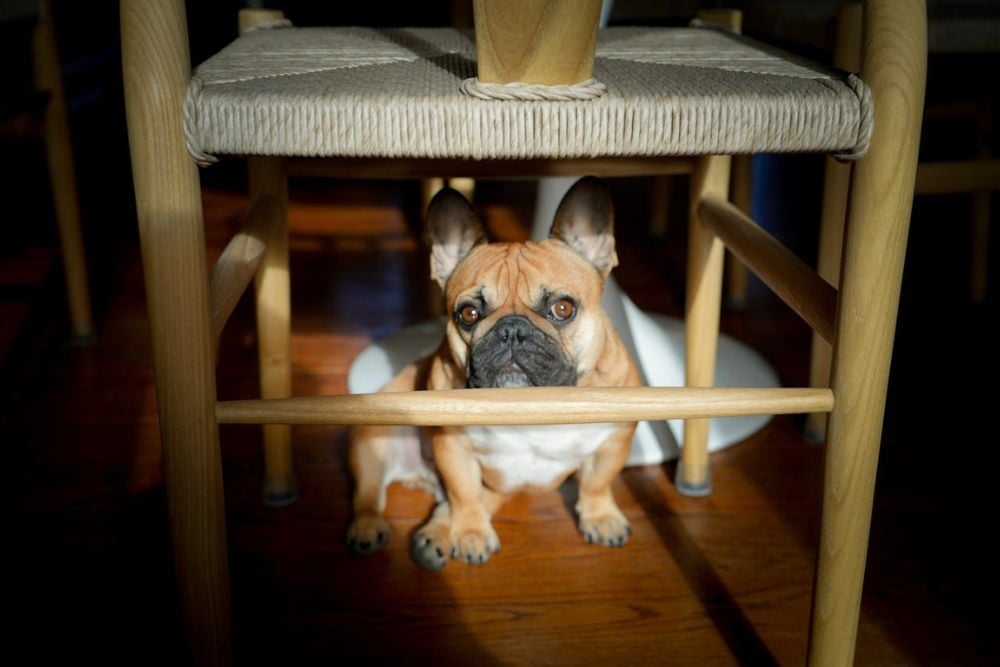
Every year, millions of dog owners dread the same thing — and it’s not the traffic or the crowded barbecues. It’s the fireworks. That first distant boom hits, and suddenly your confident, happy pup is trembling under the couch, pacing the hallway, or scratching frantically at the door.
If your dog is scared of fireworks, you’re far from alone. At least one-third of dogs suffer from noise aversion, according to veterinary research published by Zoetis Petcare. And here’s the part that makes it worse: only about 40% of owners with noise-averse dogs actually talk to their vet about it. That means most dogs are white-knuckling it through every holiday season without any real help.
The good news? You don’t have to let your dog suffer in silence. Whether it’s the Fourth of July, New Year’s Eve, Diwali, or a random neighbour celebrating a birthday with bottle rockets, these nine tips will help you keep your dog calm, safe, and as comfortable as possible when the sky starts exploding.
Why Are Dogs So Afraid of Fireworks?
Before we jump into solutions, it helps to understand the problem. Dogs hear sounds at frequencies up to 50,000 Hz — more than double what humans can detect. So when a firework goes off, your dog isn’t just hearing a “pop.” They’re hearing a deafening, sharp explosion with no warning and no explanation.
Unlike thunderstorms, which roll in with changes in barometric pressure and wind, fireworks are completely random. Dogs can’t predict them, can’t locate the source, and can’t escape the noise. That unpredictability is what pushes many dogs from mild unease into full-blown panic.
As veterinary behaviorist Dr. Jamie Whittenburg has explained, dogs simply don’t understand what fireworks are — the flashing lights and booming sounds arrive out of nowhere, and the dog has no way to make sense of it. It’s not a behavioural quirk. According to certified trainer Karishma Warr of the Calm Canine Academy, firework anxiety in dogs is a genuine phobia — a panic disorder that should be taken seriously.
1. Create a Safe, Comfortable Hideout
Your dog’s instinct when scared is to find shelter. Help them out by setting up a dedicated safe space before the fireworks start.
Pick an interior room — ideally one without windows, or at least with heavy curtains you can draw shut. A bathroom, walk-in closet, or basement room works well. Set up their bed, a couple of favourite toys, fresh water, and maybe an old t-shirt that smells like you.
If your dog is crate-trained, leave the crate open and accessible in this room. Many dogs already see their crate as a den, and it can be incredibly grounding during stressful moments. Just don’t lock them in. The ASPCA recommends giving pets access to a comfortable interior space while also providing enrichment like a stuffed Kong or chew toy to keep them occupied.
One thing to keep in mind: once your dog retreats to their safe spot, resist the urge to check on them constantly. Popping in every five minutes can actually spike their anxiety rather than soothe it.
2. Use White Noise, Music, or TV to Mask the Sound
You can’t eliminate the sound of fireworks, but you can dilute it. Turn on a white noise machine, a fan, or the TV. Layer two types of sound together for better coverage — say, a fan plus some gentle music.
What kind of music? Research has shown that classical music can have a calming effect on dogs. Certified dog trainer Jenn Stanley specifically recommends a series called “Through a Dog’s Ear,” which was designed to reduce canine stress. But honestly, any soft instrumental music your dog is already familiar with can work. The Kennel Club notes that you should avoid playing a new genre your dog has never heard — you don’t want them associating an unfamiliar sound with the terror of fireworks.
Keep the volume at a level that’s comfortable for you. Remember, your dog’s hearing is more sensitive, so what sounds moderate to you may feel slightly loud to them.
3. Stay Home and Be Present
This one’s simple but powerful: don’t leave your dog alone during fireworks.
Many dogs with noise phobias also struggle with separation anxiety, so your absence during a scary event compounds the stress. Cornell University’s College of Veterinary Medicine advises owners to stay home to comfort their pets, or arrange for a trusted pet sitter if leaving is unavoidable.
And here’s something worth knowing: the old advice that comforting a scared dog “reinforces the fear”? That’s outdated. Modern veterinary behaviourists agree — you absolutely can and should comfort your dog when they’re frightened. Long, slow strokes along their body, a calm voice, and just sitting near them can make a real difference. You’re not rewarding fear. You’re being a good partner.
4. Exercise Your Dog Before the Fireworks Start
A tired dog is a calmer dog. It’s that straightforward.
Get your dog out for a long walk, a game of fetch, or a solid play session well before dusk — before anyone in the neighbourhood starts lighting things off. The physical activity helps burn off excess energy that would otherwise fuel anxious pacing and restlessness later.
This also takes care of bathroom breaks. Once the fireworks begin, you’ll want to keep your dog indoors. If you absolutely must take them outside, keep them on a leash — even in a fenced yard. Panicked dogs can clear fences you’d never think they could jump.
5. Try a Pressure Wrap or Anxiety Vest
Think of it like a weighted blanket for your dog. Pressure wraps and anxiety vests apply gentle, constant pressure around the torso, which many dogs find genuinely soothing. It’s the same principle behind swaddling an infant.
PetMD recommends getting your dog used to wearing the wrap in advance — don’t wait until the fireworks are already booming to try it for the first time. Let your dog wear it during calm, positive moments first so they associate the garment with relaxation, not panic.
Not every dog responds to pressure wraps, but enough do that it’s worth a shot. Some owners report that their dog goes from trembling wreck to sleeping peacefully just by putting one on. Even the ASPCA suggests that if you don’t have a commercial anxiety vest, a snug-fitting t-shirt can work in a pinch.
6. Close Windows, Curtains, and Doors
This seems obvious, but it’s easy to forget in the moment. Close every window, draw the curtains or blinds, and shut interior doors to buffer the noise and block the flashing lights.
Dogs can be reactive to sudden light changes, not just sound. The visual flash of a firework through an uncovered window can be just as startling as the bang. Creating a dim, enclosed environment helps reduce sensory overload across the board.
Also — and this is critical — block cat flaps and check that garden gates are secure. A panicked dog will look for any exit, and even a small gap can become an escape route.
7. Use Distractions and Enrichment Activities
A busy dog is a less anxious dog. When the booming starts, having something to focus on can redirect your dog’s attention away from the noise.
Frozen Kongs stuffed with peanut butter, snuffle mats, lick mats, or puzzle feeders are all excellent options. Some trainers even suggest scattering treats inside a pile of crumpled paper towel rolls or egg cartons and letting your dog forage through them. The mental effort involved in these activities activates a different part of the brain and can interrupt the anxiety cycle.
Treats and chews are fine too, but don’t force it. If your dog is too scared to eat, that’s okay. Pushing food on a panicking dog isn’t helpful — it can actually add to their stress.
8. Talk to Your Vet About Medication
If your dog’s firework fear is severe — we’re talking destructive behaviour, self-injury, prolonged panic — it’s time to involve your veterinarian. This isn’t a failure. It’s responsible pet ownership.
There are several prescription options available that can provide real relief. Some are fast-acting medications designed for situational use, while others are longer-term anxiety treatments. The key, as emphasized by both the AKC and the Cornell veterinary team, is to talk to your vet well in advance of fireworks season — not the day before.
Why? Because you’ll want to do a trial run. Give your dog the medication on a calm, quiet day first so you can see how they respond without the added pressure of fireworks.
You might also ask about over-the-counter calming supplements, pheromone diffusers, or CBD products designed for dogs. These can be helpful for mild to moderate anxiety, though they’re rarely enough on their own for dogs with true phobias.
9. Start Desensitisation Training Early
This is the long game, but it’s the most effective strategy for lasting change.
Desensitisation involves gradually exposing your dog to the sound of fireworks at a very low volume while pairing it with something positive — treats, praise, play. Over multiple sessions, you slowly increase the volume. The goal is to teach your dog that the sound isn’t dangerous.
Rover.com highlights a specific resource: Victoria Stillwell’s noise phobia audio series, which layers quiet firework sounds with calming music. As your dog progresses through the tracks, the firework sounds get louder and the background music fades. It’s designed to be used during feeding or chew time so the association stays positive.
The catch? You can’t rush this. Start weeks or even months before firework season. And if your dog shows any signs of stress during a session — freezing, lip licking, turning away — dial it back. Overexposure can backfire and make the fear worse.
What NOT to Do
A few quick don’ts that matter just as much as the tips above:
- Never punish your dog for their reaction to fireworks. They’re not misbehaving — they’re genuinely terrified. Punishment only increases fear.
- Don’t take your dog to a fireworks display. Even if they seem calm outdoors, the close proximity and volume can push any dog past their threshold.
- Don’t assume silence means they’re fine. Some dogs freeze rather than flee. Excessive yawning, lip licking, and panting are all subtle signs of distress that are easy to miss.
Wrapping It Up
Dogs scared of fireworks aren’t being dramatic — they’re experiencing real fear triggered by overwhelming sensory input they can’t understand or control. The good news is that with some planning, patience, and the right tools, you can make a huge difference in how your dog handles these events.
Start with the basics: a safe space, white noise, your calm presence. Add in a pressure wrap and some enrichment. For tougher cases, bring in your vet and consider medication. And if you’ve got the time, desensitisation training is the single best investment you can make for your dog’s long-term wellbeing.
Because at the end of the day, they’re counting on you to help them through it. And that’s exactly what a good dog owner does.